UK Betting and Gaming Council Unveils 'Spot The Black Market' Quiz to Expose Illegal Gambling Sites
Written by Ben Schmitz · Mar 11, 2026

UK Betting and Gaming Council Unveils 'Spot The Black Market' Quiz to Expose Illegal Gambling Sites
The Launch of a New Tool Against Online Gambling Risks
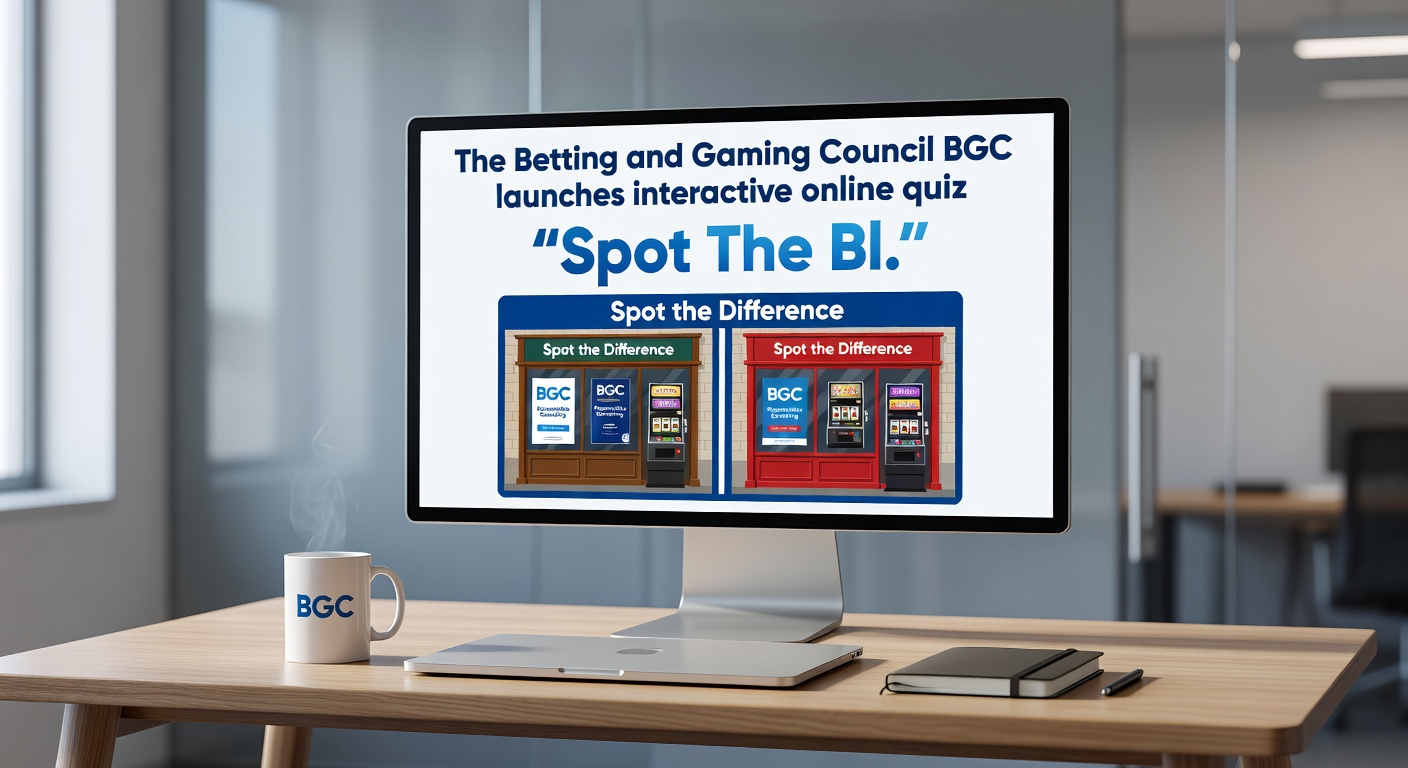
On March 10, 2026, the Betting and Gaming Council (BGC) in the UK rolled out an interactive online quiz titled “Spot The Black Market,” designed specifically to equip consumers with the skills needed to detect unregulated and illegal gambling websites; through a series of mock screenshots, participants learn to identify key warning signs like the absence of a visible UK Gambling Commission licence number, which legitimate operators must display prominently.
What's interesting here is how this initiative directly targets black market operators who mimic the look and feel of licensed platforms, making it tougher for everyday punters to tell the difference at a glance, especially since these shady sites often copy branding and layouts from trusted brands while skipping all the safety nets.
The BGC, representing major players in the regulated gambling sector, positioned the quiz as a frontline defense amid rising concerns over consumer safety; unregulated sites, by definition, bypass player protection rules such as age verification, deposit limits, and self-exclusion tools that keep things responsible on licensed platforms.
How the Quiz Works in Practice
Users dive into the quiz by examining simulated gambling site homepages, where they hunt for telltale red flags; one common giveaway, as the tool highlights, involves no clear licence number from the UK Gambling Commission, often tucked away or missing entirely on black market fakes, whereas legit sites plaster it front and center for easy verification.
But here's the thing: the quiz doesn't stop at basics; it challenges participants to spot other inconsistencies, like dodgy payment options or promises of unrealistically high bonuses that scream too good to be true, all while mimicking real-world scenarios people encounter when browsing for bets or casino games.
Take one mock example featured in the launch coverage: a site that apes a well-known bookmaker's design but lacks the mandatory footer link to the Gambling Commission's public register, where anyone can check a licence's validity in seconds; participants click through, decide if it's safe or sketchy, and get instant feedback explaining why, turning passive scrolling into active awareness.
And since it's fully online and free, anyone with a browser can access it anytime, making education on these risks as straightforward as checking sports scores, which observers note could shift behaviors before problems even start.
Black Market Threats in the UK Gambling Landscape
This launch comes against a backdrop of persistent black market activity, where operators evade taxes and regulations to lure players with unchecked odds and no safeguards; a BGC-commissioned report from earlier revealed £5.7 billion staked annually on such sites, underscoring the scale that prompts moves like this quiz.
Turns out unregulated platforms pose real dangers because they ignore affordability checks, problem gambling interventions, and fair play standards enforced by the Gambling Commission; players on these sites risk not just losing money unfairly but also exposing personal data to scammers who don't follow data protection laws.
Experts who've tracked this space point out how black market sites thrive on confusion, often using aggressive ads or SEO tricks to rank high in searches for events like Premier League matches or Cheltenham Festival, drawing in fans who assume everything online is above board.
Yet the BGC's quiz flips the script by training eyes to notice subtle cues, such as mismatched domain names—think something like “betkingssports.com” instead of an official .co.uk—or pop-ups pushing crypto payments that licensed operators rarely touch due to traceability issues.
People who've previewed the tool report it feels more like a game than a lecture, with scores and shareable results that encourage friends to test their own savvy, potentially creating a ripple effect across betting communities.
Why Consumer Education Matters Now
In March 2026, as football seasons ramp up and summer festivals loom, the timing of “Spot The Black Market” aligns perfectly with peak betting periods when casual punters flock online; the BGC emphasized that illegal sites exploit these moments, offering odds no legit bookie can match because they don't pay out reliably or at all.
That's where the rubber meets the road for player safety: regulated firms contribute billions in taxes and support NHS gambling clinics through levies, while black market ops siphon funds away, leaving vulnerable folks without recourse if things go south.
One case highlighted in coverage involves mock sites promising “guaranteed wins” on accumulators, a classic bait that quiz-takers learn to flag alongside missing dispute resolution links; without these, complaints vanish into the ether since there's no ombudsman oversight.
And although the Gambling Commission already blocks thousands of illegal domains yearly via payment providers, education fills the gaps where tech alone can't catch every sneaky operator using VPNs or mirrors.
Researchers studying gambling behaviors note how quick quizzes like this stick better than walls of text, with interactive elements boosting retention by up to 75% according to general edtech data, which could mean fewer accidental slips into the shadows.
Broader Industry Efforts and the Quiz's Role
The BGC didn't launch this in isolation; it builds on campaigns like “Bet with a Licensed Bookmaker” badges that members sport, but “Spot The Black Market” takes it interactive, letting users practice spotting fakes without real stakes.
So users might encounter a screenshot of a casino lobby bursting with slots, only to realize the lack of GambleAware logos or reality check timers—standard on UKGC-licensed pages—tips it as illicit; feedback then explains how legit sites cap losses for at-risk players, a protection black marketeers ignore.
What's significant is the focus on visuals: 80% of people judge sites by first impressions per usability studies, so training that instinct pays off fast, especially for mobile users where screenshots match thumb-scrolling habits.
Observers in the sector welcome this as proactive, given how black market volumes persist despite crackdowns; the quiz, accessible via the BGC site, invites shares on socials, amplifying reach organically.
Wrapping Up the Initiative's Potential Impact
Ultimately, the “Spot The Black Market” quiz stands as a clever, timely response to a stubborn problem, empowering UK consumers to navigate online gambling with sharper eyes; by spotlighting missing UK Gambling Commission licence numbers and other hallmarks through hands-on mocks, it addresses core vulnerabilities head-on.
While black market operators adapt quickly, tools like this shift the odds toward safer choices, reminding everyone that checking a licence takes seconds but saves endless headaches; as March 2026 unfolds, expect this quiz to gain traction among bettors keen to stay on the legit side.
In the end, initiatives from groups like the BGC highlight how education complements regulation, fostering a landscape where players spot the fakes before they bite.