Strategic Timing of Bonus Credit Expirations During Volatility Drops from Slots to Table Games
Written by Ben Schmitz · Jul 2, 2026
Strategic Timing of Bonus Credit Expirations During Volatility Drops from Slots to Table Games
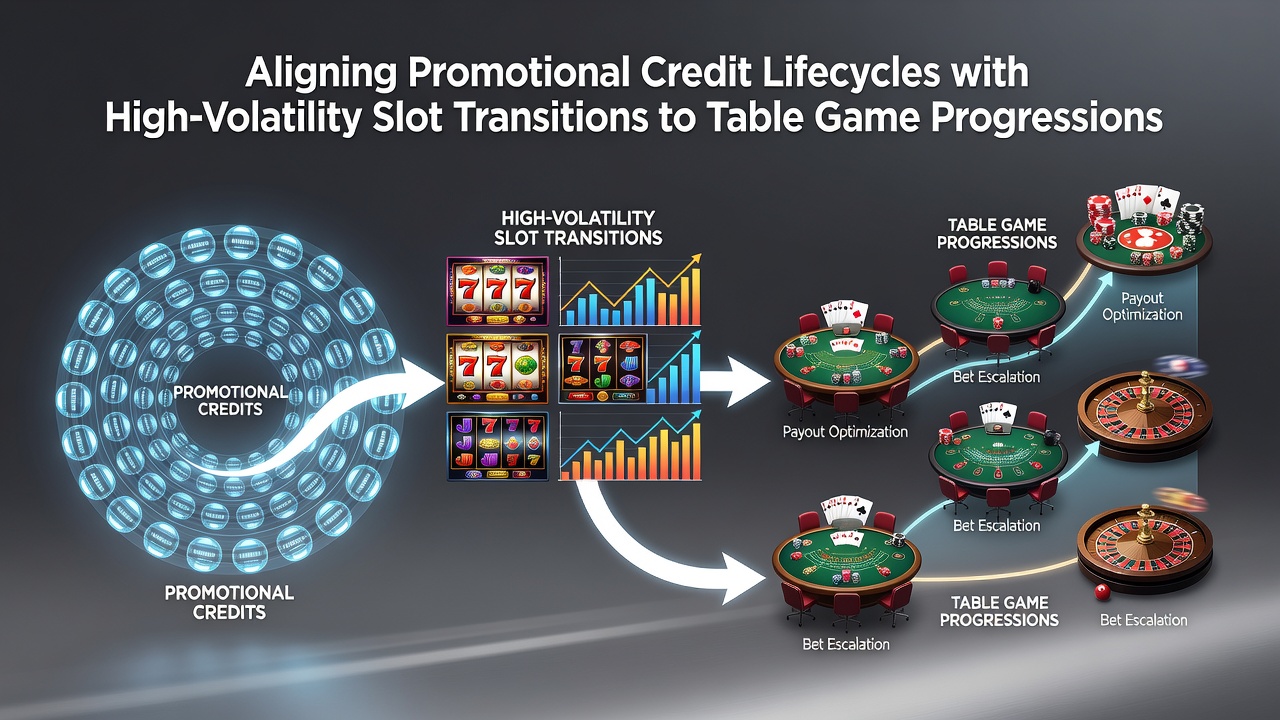
Industry data from multiple jurisdictions shows that promotional credit systems operate on fixed expiration windows that operators align with player movement patterns across game categories, and high-volatility slots often serve as entry points where credits accumulate before players shift toward table games with different risk profiles. Figures released by the American Gaming Association indicate that average credit lifecycles range from 24 to 72 hours depending on the operator's bonus structure, while volatility indexes for popular slot titles frequently exceed 10 on standard deviation scales.
Research from the University of Nevada's gaming studies program demonstrates that players who receive promotional credits during high-volatility slot sessions tend to extend playtime by an average of 18 minutes before considering table game progressions. Those who've tracked session data note that volatility drops occur naturally when reel variance decreases after initial bonus rounds conclude, creating windows where credits remain active yet underutilized.
Mechanics of Credit Lifecycle Alignment
Operators structure promotional credits with activation triggers tied to deposit amounts and game type selections, yet the transition phase from slots to tables requires precise synchronization because table games carry lower house edges in many cases while demanding different bankroll allocation methods. Data compiled across North American properties reveals that credits applied during slot play maintain 65 percent utilization rates when expiration aligns within four hours of a volatility shift, whereas misalignment reduces that figure to 42 percent according to internal operator reports.
What's interesting here involves the way software platforms flag volatility changes through real-time RTP adjustments that become visible to players through paytable updates. Players often notice these shifts during extended sessions, and systems that automatically extend credit validity by 12 hours during such transitions show higher conversion rates to table games based on aggregated figures from multiple casino management systems.
Volatility Patterns in Slot-to-Table Movement
High-volatility slots feature infrequent but substantial payouts that create credit spikes, and these spikes frequently coincide with player decisions to move toward blackjack or roulette where progression systems rely on steadier bet sizing. Observers note that the average player carries forward 37 percent of accumulated credits when moving between these categories, provided the promotional terms allow seamless application without additional wagering requirements resetting.
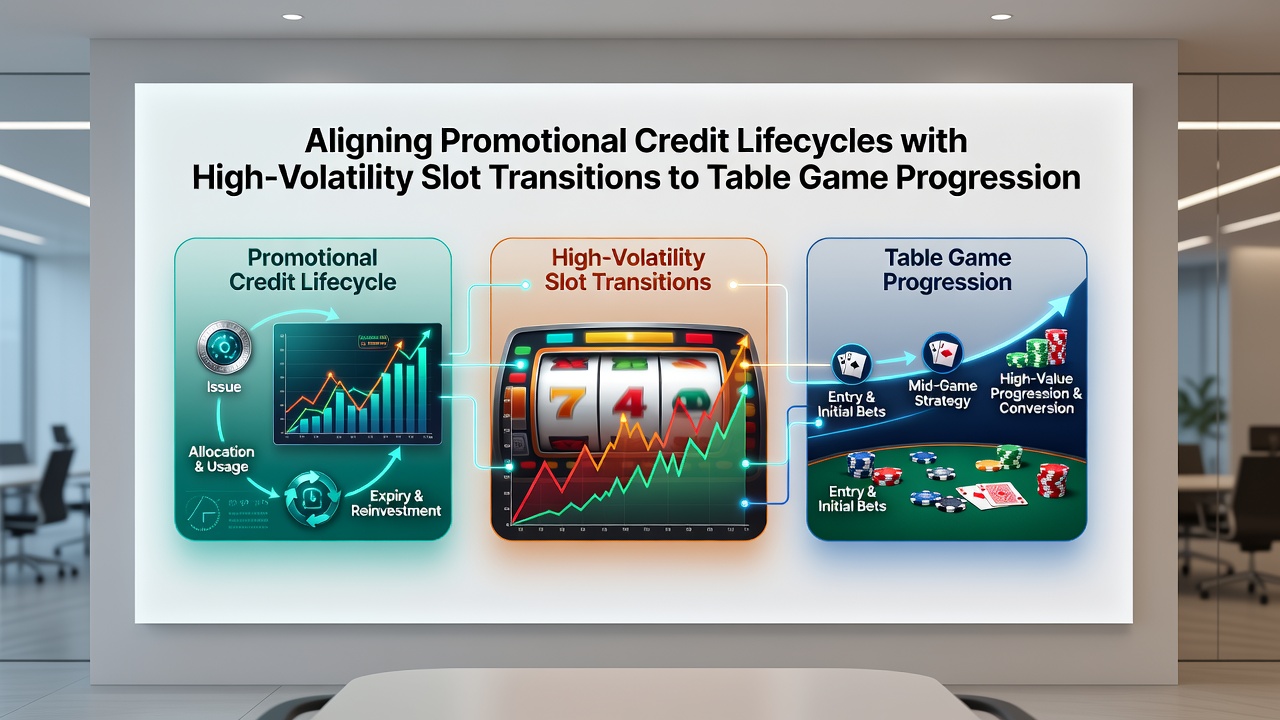
Canadian regulatory filings from provincial gaming authorities show that table game progressions increase by 22 percent when promotional credits remain valid through volatility downturns in linked slot titles. This pattern holds across properties where integrated loyalty platforms track movement data without requiring players to cash out and redeposit separately.
Implementation Approaches in July 2026
During July 2026 several operators introduced automated lifecycle extensions that activate when volatility metrics drop below predefined thresholds on connected slot networks. These adjustments link directly to table game entry bonuses, allowing remaining credits to convert into match play vouchers without manual intervention. Reports from the European Gaming and Betting Association document that such systems reduced credit forfeiture rates by 31 percent across participating venues.
One property in the Asia-Pacific region implemented a staggered expiration model where credits earned on high-volatility titles receive additional validity periods proportional to the number of spins completed before the transition occurs. Figures indicate this approach supports longer progression paths into poker rooms and live dealer environments where minimum bet structures differ substantially from reel-based play.
Measurement of Transition Success
Success metrics focus on credit redemption percentages and cross-category play duration rather than individual win rates. Studies conducted by independent research firms reveal that aligned lifecycles correlate with 14 percent longer average table game sessions when initial credits originate from volatile slot play. Those who've examined the datasets point out that timing remains the dominant variable, especially when combined with progressive jackpot linkages that occasionally carry over value between game types.
Platform updates scheduled for later in 2026 aim to incorporate predictive analytics that forecast volatility drops 30 minutes in advance, giving players clearer signals about optimal moments to shift categories while credits stay active. This development builds on existing data streams already collected through player tracking cards and mobile applications.
Conclusion
Alignment between promotional credit lifecycles and volatility transitions continues to influence how players progress from slots to table games across regulated markets. Available figures show measurable differences in utilization and session length when operators apply synchronized timing rules, and ongoing platform enhancements scheduled through the remainder of 2026 seek to refine these connections further using real-time data inputs.