Strategic Reward Mapping: Connecting Promotional Layers to Transitions Between Slot Reels and Live Table Decisions
Written by Rosa Weber · May 19, 2026

Strategic Reward Mapping: Connecting Promotional Layers to Transitions Between Slot Reels and Live Table Decisions
Operators in regulated markets structure promotional layers to support player movement from reel-based formats into live table environments, and data from multiple jurisdictions shows these alignments affect session length as well as average wager per hand. Research indicates that when free spin credits convert directly into table-game chip bonuses, retention metrics rise during the shift period, while separate reward pools create friction that shortens overall playtime.
Reel Format Structures and Initial Promotional Layers
Slot sessions typically begin with deposit-match offers or free-spin bundles that load onto specific reel titles, and these credits often carry wagering requirements expressed as multipliers on the initial amount. According to figures released by the Nevada Gaming Control Board, average completion rates for slot bonuses hover near 68 percent when requirements stay below 30 times the bonus value. Observers note that players who finish these requirements early tend to carry residual balances into live environments at higher rates than those who abandon midway through the reel phase.
Reel formats differ in volatility and payout cadence, yet promotional mapping remains consistent across many platforms: the remaining balance after reel play converts through a multiplier or direct credit transfer that matches table minimums. This conversion step prevents small leftover amounts from sitting unused while players decide whether to enter live dealer rooms.
Transition Mechanics Between Reel and Table Play
Live table decisions introduce real-time elements that differ from automated reel spins, so reward structures must accommodate variable pace and higher per-decision stakes. Operators achieve this by tagging converted funds with distinct identifiers that unlock only after a player selects a table game within a defined window, usually 24 to 72 hours. Data shows these time-bound tags reduce the incidence of funds migrating back to slots instead of completing the intended transition.
Table minimums vary by jurisdiction and venue type, therefore alignment requires that converted promotional value meets or exceeds the lowest live stake at the chosen property. When this threshold matches, players move without interruption; when it does not, many return to reels until additional credits accumulate. Industry reports compiled by the University of Nevada, Las Vegas International Gaming Institute document that matched thresholds correlate with a 22 percent increase in table-game entry within the same session.
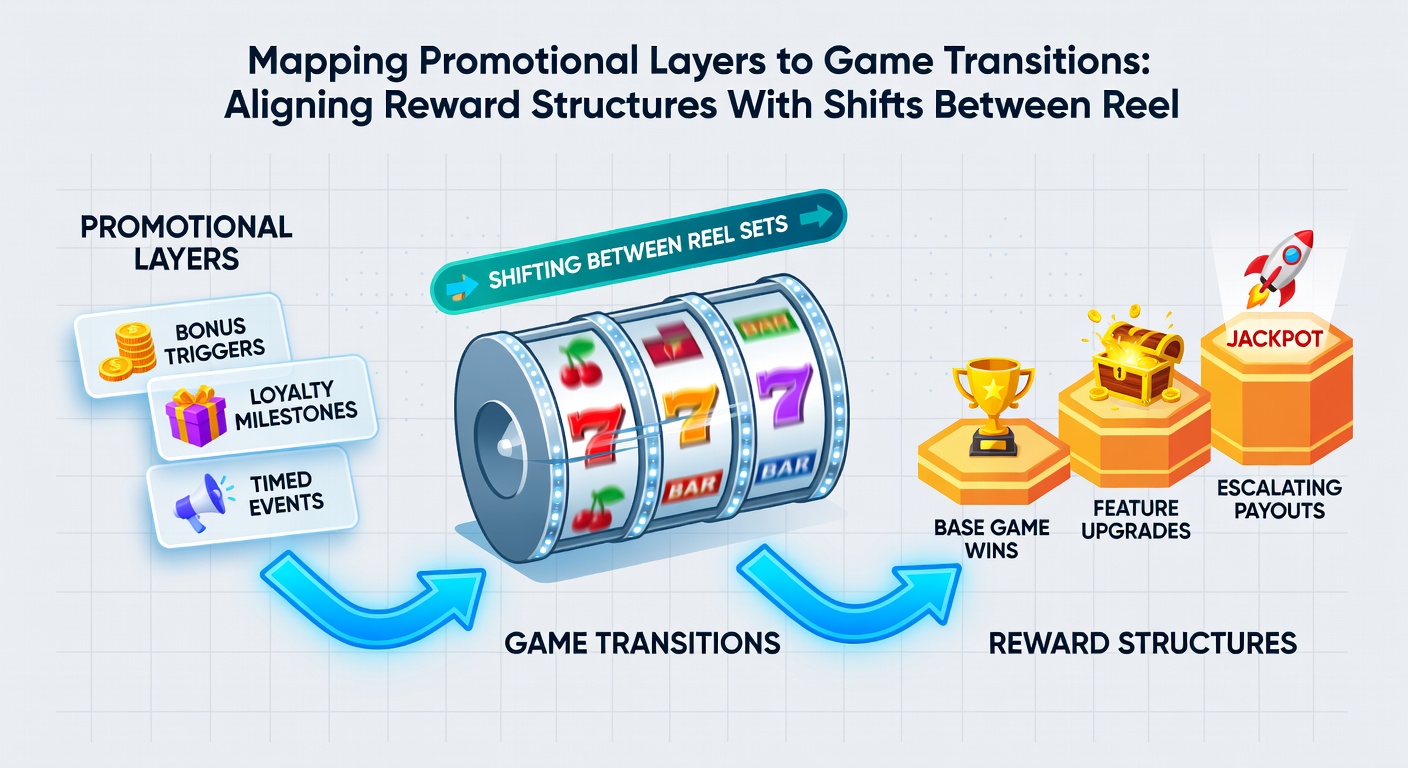
Aligning Reward Pools Across Game Types
Separate reward pools for slots and tables allow precise tracking of promotional liability, yet they also require clear mapping rules so players understand what happens to remaining value when they switch formats. Some systems apply a one-to-one credit exchange, while others impose a small conversion fee or adjust the multiplier based on the target table's house edge. Researchers at the Canadian Centre for Gaming Research have tracked these variations and found that transparent conversion rules increase player satisfaction scores without altering overall house advantage.
Live dealer platforms add another layer because decisions occur in real time and dealer interactions influence pace. Promotional credits that activate only after a player places a qualifying bet on blackjack or roulette help operators manage exposure while still encouraging the move from reels. Figures from Australian state regulators show that such activation requirements appear in roughly 45 percent of multi-format bonus programs operating across New South Wales and Victoria.
Examples of Mapped Promotional Flows
One operator in a European market offers 50 free spins on a medium-volatility reel title followed by a 100 percent match on any remaining balance when the player enters a live blackjack room within 48 hours. The match applies automatically once the system detects the table-game wager, and wagering requirements reset only on the matched portion rather than the entire original deposit. This structure keeps the promotional layer intact across the format shift instead of resetting progress.
Another configuration observed in North American online casinos ties reel-streak multipliers directly to table-game chip bonuses: every consecutive winning spin above a set threshold adds incremental live credits. Observers note that this streak-based layering maintains momentum because the player sees accumulating value that only becomes usable once they reach the live section of the platform.
Regulatory Considerations and Data Tracking
Regulators in multiple regions require operators to disclose conversion rules in terms and conditions, and clear language on this point reduces dispute volumes. The Isle of Man Gambling Supervision Commission, for instance, mandates that any change in promotional value during a game-type transition must appear in player-facing notifications before the shift occurs. Compliance with such rules supports consistent application of reward structures across reel and table environments.
Tracking systems log the moment a player exits reels and enters tables, allowing operators to measure how often promotional layers survive the transition intact. Aggregated data across several markets indicates that intact layers correlate with longer combined sessions, whereas fragmented layers lead to quicker exits after the format change.
Conclusion
Mapping promotional layers to game transitions requires precise alignment between reel-based credits and live table entry points so that reward value remains usable and visible throughout the shift. Data from regulatory bodies and academic institutions demonstrates that matched thresholds, transparent conversion rules, and time-bound activation tags influence whether players complete the move from slots to tables. Operators who maintain these alignments report higher continuity in session metrics without modifying underlying game mathematics.