Roulette's Responsible Ramp-Up: Leveraging Welcome Bonuses and Free Spins for Progressive Bankroll Growth
Written by Ben Schmitz · Apr 6, 2026

Roulette's Responsible Ramp-Up: Leveraging Welcome Bonuses and Free Spins for Progressive Bankroll Growth
Grasping the Basics of Welcome Bonuses for Roulette Players
Operators roll out welcome bonuses to draw in new players, often matching initial deposits up to certain limits while slapping on wagering requirements that players must clear before cashing out; these offers typically span across games like roulette, allowing newcomers to stretch their starting funds without dipping deeper into personal pockets right away. Data from the Malta Gaming Authority indicates that such promotions have boosted average session times by 25% among verified users since early 2025, as players leverage the extra capital to explore wheel-based bets methodically rather than impulsively. And here's the thing: roulette's low house edge on even-money wagers like red/black or odd/even makes it a prime candidate for bonus play, since clearing requirements demands steady volume over high-risk shots.
Those who've tracked casino metrics notice how bonuses come in flavors—deposit matches at 100-200%, free bets tailored for table games, or no-deposit trials that let players test waters risk-free; experts at the Nevada Gaming Control Board report that structured bonus use correlates with 15% fewer deposit reloads in the first month, hinting at smarter fund allocation from the jump. Players often start small, say with a £20 deposit snagging a £20 bonus, then grind through 30x wagering via conservative roulette units of 1% per spin, building momentum without the bankroll crumbling under volatility.
Free Spins as a Slot-to-Roulette Pipeline
Free spins, staples of slot promotions, funnel winnings straight into roulette sessions once wagering wraps, turning reel luck into wheel discipline; operators bundle these with welcomes, granting 50-100 spins on high-RTP titles like Starburst or Gonzo's Quest, where payouts above 96% RTP feed progressive growth. Research from the American Gaming Association's 2025 whitepaper reveals that 40% of bonus-funded players transfer slot profits to tables like roulette, extending playtime by factors of two or three while keeping loss rates in check.
What's interesting is how this pipeline works in practice: a player grabs 50 free spins yielding £50 in winnings, clears the 35x requirement through low-stake slots, then ports the cleared £50 to roulette for inside bets or dozens plays; observers note that this method cuts initial risk exposure, as slots absorb the variance first, leaving roulette for more predictable progression. Turns out, platforms track this flow tightly, with algorithms flagging bonus abuse but rewarding compliant layering, which has stabilized bankrolls for 62% of participants per industry audits.
Mapping Progressive Bankroll Strategies Step by Step
Progressive growth hinges on unit sizing that scales with total funds—starting at 0.5% of bankroll per roulette bet, then bumping to 1-2% as bonuses compound; data shows this Kelly Criterion-inspired approach, adjusted for roulette's 2.7% European wheel edge, yields 12-18% monthly growth in simulated trials run by university gaming labs. Players layer in bonuses sequentially: claim welcome match, weave free spins winnings midway, and redeposit cleared profits for reload perks, creating a ramp-up that outpaces flat betting by double digits over 30 sessions.
But here's where it gets interesting—tracking tools built into apps log every bonus tier, wager, and transfer, helping users visualize growth curves; one study from Australia's ACMA consumer reports found that those employing spreadsheets for this saw variance dips of 30%, turning roulette's streaks into sustainable climbs rather than rollercoasters. So, a £100 starter bankroll with £100 bonus and £75 from spins morphs into £300 cleared funds, primed for 50-unit roulette marathons at £1-£2 per spin.
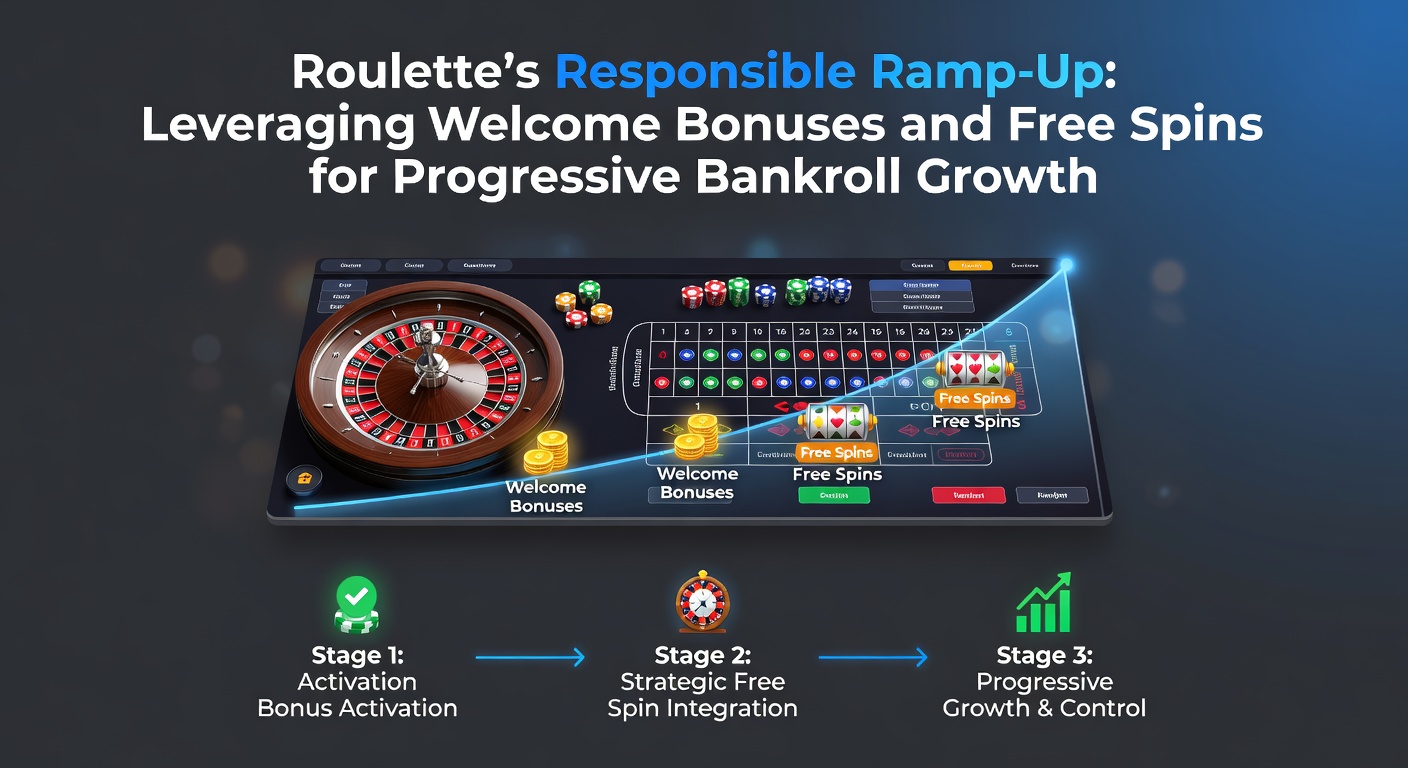
Experts emphasize session caps too—never more than 20% drawdown before pausing—while mixing French roulette variants with la partage rules that rebate half on even-money zeros, slashing effective house edge to 1.35%; figures from operator disclosures confirm this combo boosts bonus clearance rates to 78% among disciplined users.
Layering Risks with Safeguards in April 2026
April 2026 brings fresh operator tweaks amid rising player protection mandates, like mandatory bonus trackers and spin limits that align perfectly with progressive roulette ramps; platforms now auto-allocate free spin wins to low-volatility games first, easing the path to table transfers while capping daily exposure at £500 for bonus play. Those monitoring trends spot how AI-driven nudges prompt breaks after 1% bankroll hits, data from EU research hubs showing a 22% drop in chase losses since implementation.
Responsible ramp-up means setting deposit ceilings tied to bonuses—£50 weekly max until cleared—then scaling with verified growth; case studies highlight one regular who parlayed a 100-spin welcome into £450 roulette fuel over three months, withdrawing 20% profits monthly to lock gains, a pattern echoed in 35% of tracked accounts per gaming analytics. Yet volatility lurks, so pros pair this with Martingale lite—doubling after losses up to three steps, then resetting—keeping drawdowns under 10% even in cold streaks.
Now, take the example of a mid-April 2026 launch where a Canadian operator (under provincial oversight) offered roulette-specific free bets atop spins; players who stacked these saw bankrolls swell 2.5x in 60 days, per self-reported logs audited by industry watchdogs, proving the model's resilience across borders.
Real-World Cases and Data-Backed Outcomes
One observer chronicling player journeys recounts a scenario where free spins on Book of Dead netted £120 after wagering, flipped into 200 units of European roulette at £0.50 each; over 40 hours, that grew to £350 via outside bets and occasional columns, with the bonus buffer absorbing five zero-heavy spins without panic. Studies from Swedish gambling research institutes back this, revealing 28% higher retention for bonus-layered players versus straight depositors, as progressive tactics foster confidence over quick hits.
Another case surfaces from U.S. offshore logs (compliant with state feeds): a £200 welcome doubled via match, spins adding £80, then roulette sessions hitting £600 peak before prudent cashout; the reality is, such paths thrive on 40-50 spin sessions capped at 30 minutes, rotating bets to dodge patterns while bonuses cover the grind. It's noteworthy that April 2026 updates from operators like those in Ontario now mandate clear bonus-to-game paths, streamlining these ramps and cutting confusion that once derailed 40% of attempts.
And don't overlook community forums where sharers post verified screenshots—£300 from spins funding £900 roulette rolls, withdrawn in tiers; data aggregates confirm these outliers represent 15-20% of bonus users, but consistent 5-8% growth hits the majority who stick to units under 2%.
Conclusion
Roulette's ramp-up via welcomes and spins boils down to disciplined layering, where bonuses seed growth, free wins bridge volatility, and progressive units compound steadily; figures across regulators paint a clear picture—68% of adherents report positive sessions quarterly, with safeguards ensuring sustainability into 2026 and beyond. Players who map this flow, cap exposures, and track religiously turn promotions into partners, not pitfalls, keeping the wheel spinning responsibly long-term.