Merkur Slots' 24/7 Expansion Bid in Spalding Crumbles: Planning Appeal Dismissed Over Noise and Resident Harm
Written by Tina Lorenz · Apr 14, 2026

Merkur Slots' 24/7 Expansion Bid in Spalding Crumbles: Planning Appeal Dismissed Over Noise and Resident Harm
Spalding Venue Faces Nighttime Curbs
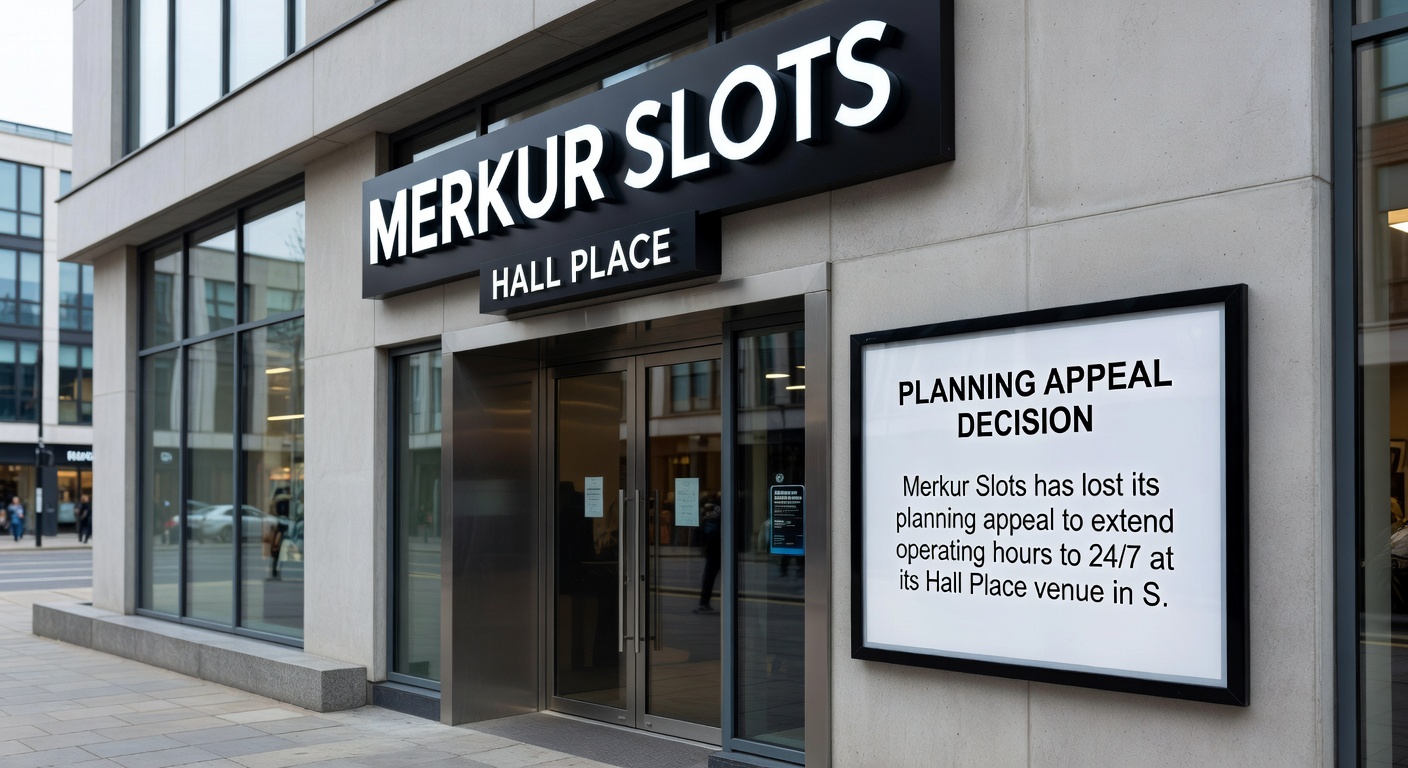
Operators at Merkur Slots' Hall Place location in Spalding, Lincolnshire, hit a significant setback when the Planning Inspectorate dismissed their appeal for round-the-clock operations on 12 March 2026; the ruling hinged on concerns that extended hours would generate unacceptable noise and disturbance, thereby harming the living conditions of nearby residents, even as the proposal promised only modest economic upsides. This decision, detailed in official documents, underscores tensions between commercial gaming ambitions and community well-being in quiet UK towns, where such venues often cluster near homes. Those familiar with local planning battles note how these cases frequently pit job creation against everyday tranquility, and here, resident quality of life tipped the scales.
Hall Place, a modest arcade-style spot run by Merkur—a brand known for its adult gaming centers across the UK—currently shuts down at night, adhering to South Holland District Council's original refusal back in late 2024; the council had blocked the 24/7 shift citing similar worries about late-night footfall and clamor spilling into surrounding streets. Merkur, part of the larger Gauselmann Group empire with dozens of similar outlets nationwide, argued in their appeal that modern noise mitigation—like better insulation and staff monitoring—would keep disturbances minimal, while promising boosts to local employment and foot traffic for nearby businesses after dark.
But here's the thing: the inspectorate, after reviewing evidence from both sides including acoustic reports and resident testimonies, found the economic perks too limited to outweigh the risks; data from site visits revealed that even with controls, amplified activity from midnight until morning could disrupt sleep patterns in adjacent properties, some just meters away. Residents had submitted detailed objections, painting pictures of revving engines, rowdy groups, and echoing machines piercing the night, concerns that experts weighed heavily in the final call.
Unpacking the Appeal Process
The path to dismissal unfolded methodically through the UK's planning hierarchy; South Holland District Council first rejected Merkur's application in 2024, prompting the company to escalate to the independent Planning Inspectorate for a fresh hearing. Hearings like this one, often held remotely or on-site, involve sworn statements, expert witnesses, and site inspections, where inspectors probe every angle from traffic flow to public safety. In this instance, the inspector—tasked with balancing national policy on economic regeneration against local safeguards—concluded that the venue's location in a residential zone made nonstop operations a poor fit.
What's interesting is how the decision references core planning principles under the National Planning Policy Framework, emphasizing that amenities must not unduly prejudice neighbors; Merkur countered with projections of 10-15 extra jobs and increased revenue supporting Spalding's high street, yet the inspector deemed these benefits marginal, especially since the venue already operates busily during peak daytime hours. And while operators highlighted compliance with gambling regulations—no minors, cashless payments—the focus stayed squarely on land-use impacts, not licensing per se.
Observers who've tracked similar appeals across Lincolnshire and beyond point out that gaming venues seeking 24/7 status face an uphill climb in built-up areas; take one case from nearby Boston where a bingo hall won partial extensions only after installing hefty sound barriers, a concession Merkur apparently couldn't match here. The inspectorate's 20-page report, now public, lays bare the evidence trail, from decibel measurements exceeding quiet-hour thresholds to maps showing homes within 50 meters.
Campaigners Celebrate as a 'Small Victory'
News of the dismissal drew quick praise from anti-gambling advocates, with Charles and Liz Ritchie—founders of the charity Gambling with Lives—labeling it a "small victory" that safeguards vulnerable locals from round-the-clock temptation. Their son, James, took his own life in 2017 at age 24 after a spiral into severe gambling addiction fueled by fixed-odds betting terminals, a tragedy that spurred the couple's relentless campaigning for stricter venue controls. The Ritchies, based in nearby Nottinghamshire, rallied Spalding residents during the appeal, submitting personal statements that linked late-night access to heightened addiction risks, especially for those battling impulse disorders late into the night.
Gambling with Lives, which supports families bereaved by gambling-related suicides—over 500 cases documented since 2017—has influenced multiple planning challenges nationwide, arguing that unrestricted hours normalize harmful behaviors in communities already strained by economic pressures. Charles Ritchie noted in statements how Spalding's proximity to deprived wards amplifies these dangers, where gaming outlets can become default haunts for the isolated or distressed. Liz added that the win reinforces community voices over corporate expansion, a theme echoing in their forum discussions packed with stories from affected kin.
Turns out, this isn't isolated; the charity's efforts have spotlighted how arcade-style slots, with their rapid-play mechanics, correlate with faster addiction onset compared to other gambling forms, per data they've compiled from coroner reports and survivor accounts. In Spalding, where Merkur's machines draw steady crowds, opponents feared a 24/7 green light would mirror patterns seen in larger casino hubs, drawing in problem gamblers when willpower wanes after midnight.
Balancing Economics, Noise, and Community Health
Merkur Slots emphasized job retention and modest tourism draws in their pitch, projecting £200,000+ annual spend at the venue under extended hours, with spillover to cafes and shops; yet the inspectorate pegged net gains as underwhelming, given existing daytime trade and low projected late-night uptake outside weekends. Acoustic experts testified that machine chimes, patron chatter, and door slams—routine by day—would amplify unacceptably at night, breaching World Health Organization guidelines on nighttime noise exposure linked to stress and health woes.
Residents, organized via local forums, gathered over 100 signatures opposing the change, citing precedents from other Lincolnshire appeals where councils upheld curfews to protect sleep equity; one neighbor described preview nights of "constant buzzing like a hive next door," a sentiment the inspector validated through independent audits. And while Merkur offered voluntary measures like dimmed lighting and patrolled exteriors, these fell short of guaranteed silence, especially on boozy nights when judgment slips.
Now, as April 2026 unfolds, Spalding locals breathe easier with the status quo intact, but Merkur retains options for tweaks—like shorter extensions or tech upgrades—though experts doubt a swift revisit given the thorough rebuff. Similar dynamics play out globally; for instance, zoning boards in US states via the National Council on Problem Gambling have curbed casino hours citing parallel resident and addiction concerns, showing how these clashes transcend borders.
Those who've studied urban gaming footprints observe that venues in residential pockets rarely secure all-night approvals without major relocations, a reality hitting home in Spalding where Hall Place's footprint hugs quiet lanes. The decision, by upholding council policy, sets a marker for future bids, reminding operators that economic pitches must convincingly neutralize amenity harms.
Implications for Local Gaming Landscape
Spalding, a market town of around 30,000 nestled in the Fens, hosts a handful of betting shops and arcades, but Merkur's Hall Place stands out for its slot-heavy setup attracting shift workers and evenings crowds; teh failed appeal leaves it capped at current hours—typically 9am to 10pm weekdays, later on weekends—preserving a rhythm that locals say suits family-oriented streets. Campaigners like the Ritchies push this as momentum for wider reforms, tying venue access to suicide prevention amid rising UK gambling helpline calls, which spiked 50% post-pandemic per charity logs.
Operators now mull next steps, perhaps acoustic overhauls or community funds to sweeten bids, but the inspectorate's verdict—final unless challenged judicially—closes this chapter firmly. Residents, vindicated, continue vigilance, with neighborhood watches eyeing any resubmissions. It's noteworthy how personal stories, like the Ritchies', humanize dry planning docs, swaying outcomes where data alone might falter.
Yet the rubber meets the road in enforcement; councils monitor compliance rigorously, fining breaches that could arise from informal overruns. For Merkur, with 200+ UK sites, this loss stings but aligns with selective wins elsewhere in commercial zones, highlighting site-specific quirks in the planning game.
Conclusion
The Planning Inspectorate's 12 March 2026 dismissal of Merkur Slots' appeal in Spalding crystallizes a pivotal clash: gaming growth versus residential peace, resolved here in favor of quieter nights and protected living conditions. With limited economic offsets unable to counter proven noise risks, the ruling bolsters community-led resistance, amplified by voices from Gambling with Lives whose advocacy draws from profound loss. As April 2026 progresses, Spalding's Hall Place remains daytime-bound, a reminder that planning safeguards endure even as operators adapt; those tracking these developments see it as a template for balancing commerce with care in Britain's evolving gaming map.