Integrating Roulette Cycles with Slot Activation Protocols in Bonus Reward Architectures
Written by Ben Schmitz · May 28, 2026

Integrating Roulette Cycles with Slot Activation Protocols in Bonus Reward Architectures
Developers structure modern casino platforms so that roulette sequence data feeds directly into slot trigger mechanisms, while bonus allocation frameworks distribute rewards based on combined performance metrics across both game types. This integration relies on random number generators that process historical spin data and reel outcomes simultaneously, creating pathways where a sequence of red-black alternations on roulette can influence the timing of scatter activations on linked slot titles.
Regulatory updates planned across multiple jurisdictions for May 2026 require platforms to log cross-game interactions with greater precision, ensuring bonus credits earned through roulette patterns apply transparently when transferred to slot sessions. Observers note that these logs help verify whether sequence-based triggers meet fairness thresholds set by independent testing labs.
Sequence Pattern Recognition in Roulette Systems
Roulette wheels generate outcomes through physical or digital means that produce repeating cycles of dozens and columns, and software now captures these cycles to adjust nearby slot parameters. When a player records extended runs on even-money bets, the system may elevate the probability weighting on adjacent slot bonus rounds without altering the core return-to-player percentage. Research from the University of Nevada, Las Vegas demonstrates how such linkages maintain statistical independence while allowing operators to synchronize player engagement across verticals.
Technicians program these connections using timestamped data streams, so a detected clustering of high numbers on the wheel prompts the slot engine to check for near-miss configurations on its reels. The result appears as coordinated bonus eligibility rather than direct causation, preserving the integrity of each game’s separate random processes.
Slot Trigger Algorithms and Their Inputs
Slot algorithms evaluate reel positions, bet size, and accumulated session metrics before releasing free spins or multipliers. When connected to roulette feeds, these algorithms incorporate external sequence flags that mark completed wheel cycles or column dominance. A flag indicating three consecutive dozens on roulette, for instance, can lower the threshold required for a slot’s progressive trigger to activate during the same login session.
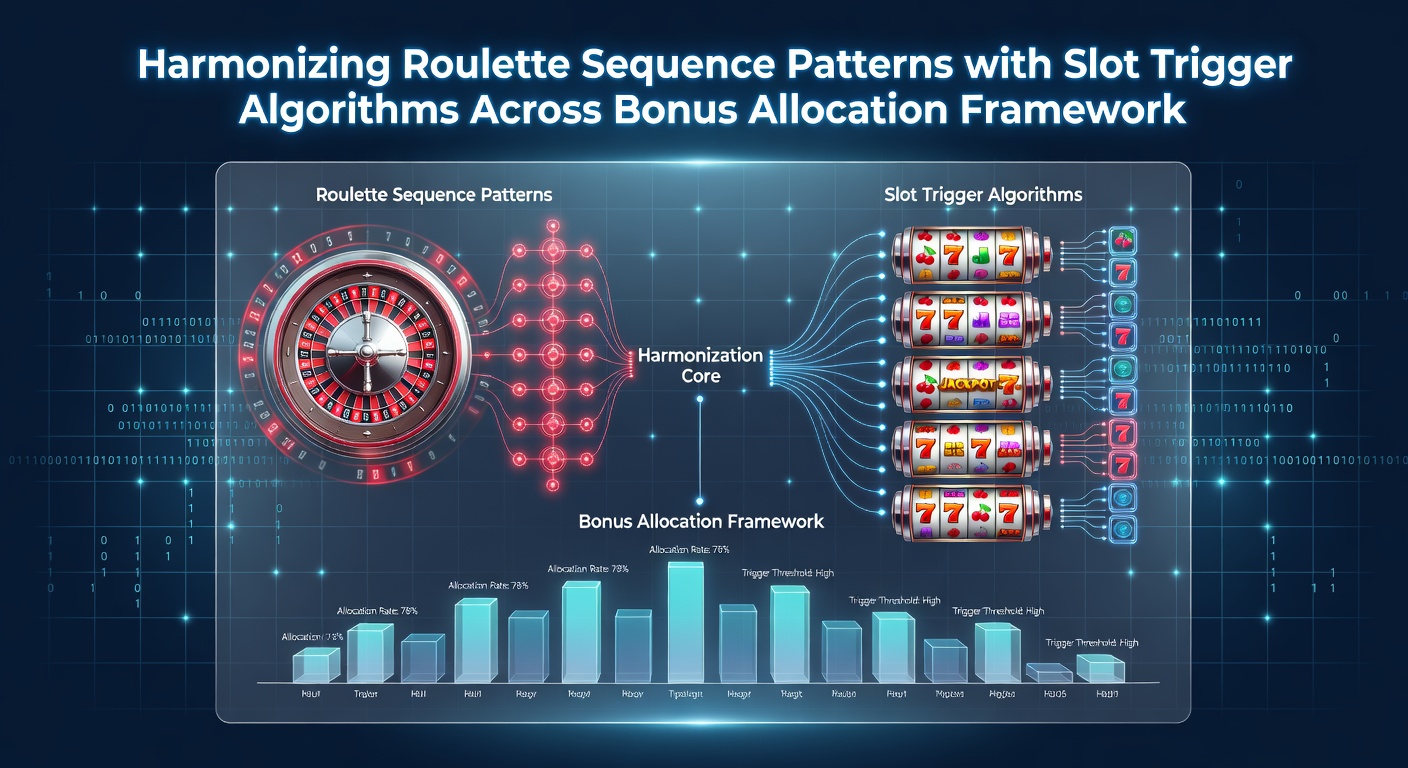
Engineers calibrate the sensitivity of these inputs so that only statistically relevant sequences affect triggers, avoiding any perception of manipulation. Figures released by the Nevada Gaming Control Board confirm that audited systems must demonstrate clear separation between the random sources while documenting how external flags merely modulate bonus frequency within approved ranges.
Bonus Allocation Frameworks Across Game Types
Allocation models divide bonus pools according to contribution percentages derived from each game’s theoretical hold and actual player volume. Roulette sequences that meet predefined length criteria receive a weighted share of the pool, which then converts into slot credit multipliers or additional roulette stake enhancements. This structure encourages continued play across both formats without favoring one over the other in the underlying mathematics.
Platforms implement tiered ledgers that track sequence completion separately from reel hits, then merge the two datasets at the point of bonus issuance. The merged ledger applies conversion rates that reflect current regulatory caps on cross-game transfers, ensuring compliance remains consistent even when May 2026 reporting requirements take effect.
Technical Synchronization Methods
Application programming interfaces exchange encrypted packets containing sequence metadata and trigger status every few seconds during active sessions. These packets carry hashed identifiers rather than raw outcome data, allowing the bonus engine to verify eligibility while protecting individual game randomness. Testing laboratories examine packet frequency and content to confirm that synchronization does not introduce predictability beyond the documented parameters.
One documented case involved a mid-sized operator adjusting its packet interval from five seconds to three seconds after internal audits revealed minor delays in bonus credit posting. The change aligned roulette sequence flags more closely with slot reel evaluations, resulting in smoother allocation without any shift in overall payout ratios.
Conclusion
Integration of roulette sequence patterns and slot trigger algorithms within bonus frameworks rests on documented data exchanges, regulatory logging standards, and independent verification processes. As platforms prepare for May 2026 compliance updates, the emphasis remains on transparent record-keeping and statistical separation between each game’s core mechanics. Continued refinement of these connections allows operators to present unified reward structures while meeting the oversight requirements of multiple gaming authorities.