Harmonizing Reel Dynamics and Card Counting Approaches for Superior Bankroll Allocation in Diverse Gaming Environments
Written by Nils Hartmann · Jun 6, 2026

Harmonizing Reel Dynamics and Card Counting Approaches for Superior Bankroll Allocation in Diverse Gaming Environments
Players and analysts examine reel dynamics in slot machines alongside established card counting systems in blackjack because these techniques offer measurable ways to adjust wager sizes and session lengths based on observed probabilities and payout structures.
Reel patterns refer to sequences of symbols and their frequencies which connect directly to a game's return to player percentage and volatility index while card counting tracks the ratio of high to low cards remaining in a deck to adjust betting decisions accordingly and data from probability models shows how these elements combine to influence overall bankroll movement when funds transfer between game types.
Understanding Reel Pattern Analysis in Slot Play
Slot machines operate on random number generators yet observers track hit frequencies and bonus trigger rates across multiple spins because patterns in short term results can inform temporary adjustments to bet sizing and studies from gaming mathematics departments indicate that volatility ratings help categorize games into low medium or high risk profiles which then guide how much capital players allocate before switching to table games.
One study revealed that sessions focused on high volatility titles produced larger but less frequent payouts and those outcomes prompted shifts into lower variance blackjack rounds to stabilize remaining funds and researchers discovered that monitoring reel stop positions during free spin sequences provides additional data points for estimating session duration which supports smoother transitions when moving capital to other formats.
Core Principles of Card Counting Techniques
Card counting systems assign point values to cards as they appear and maintain a running count that converts into a true count based on remaining decks and this method alters the house edge when the count turns positive and figures from regulatory testing laboratories confirm that skilled application reduces the long term disadvantage from around 0.5 percent to a player advantage in favorable decks.
Basic Hi Lo counting remains the most documented approach because it requires minimal mental tracking yet delivers consistent edge calculations and analysts note that players often practice these counts in simulated environments before applying them in live settings where deck penetration and table rules further modify expected returns.
Integrating the Two Methods for Cross Game Transfers
Bankroll efficiency improves when reel session results feed directly into blackjack wager sizing because positive outcomes from slots can fund higher count based bets while negative swings prompt reduced exposure and this synchronization relies on predefined thresholds that signal when to pause one game type and resume another.
Take one researcher who modeled combined sessions where slot volatility scores paired with running counts and the simulation showed reduced drawdown periods compared with isolated play and those who've studied this approach report that timing the switch after a reel bonus round often aligns with improved deck conditions at blackjack tables and external data from the Nevada Gaming Control Board highlights how table minimums and maximums affect these transfer decisions across properties.
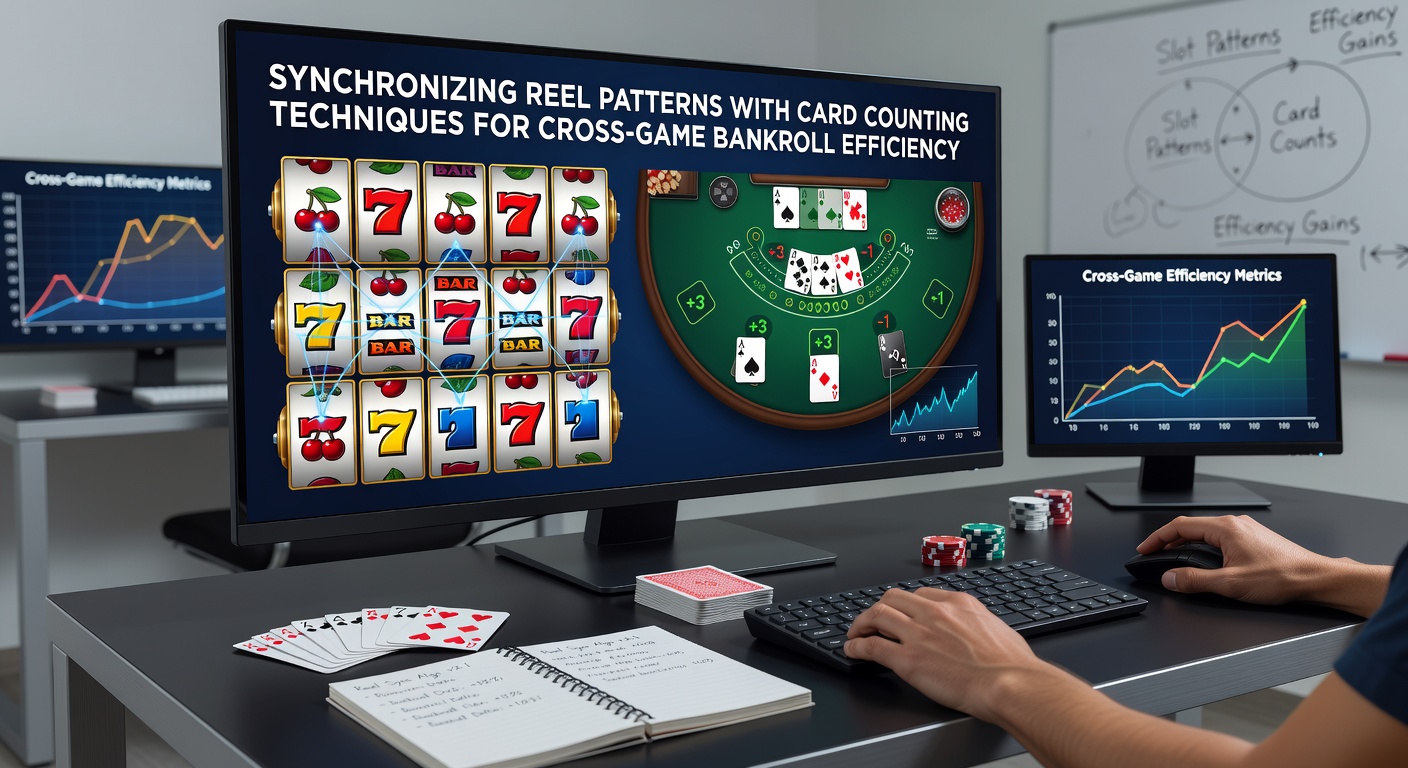
June 2026 brought updated volatility databases from several testing agencies that refined payout frequency charts and these revisions allow more precise calibration of reel observation periods before initiating a count based blackjack sequence and observers note that such updates occur periodically as new titles enter the market.
Practical Bankroll Allocation Models
Allocation models divide total capital into segments designated for slots and table games with percentage caps that adjust according to current counts and recent reel performance and this structure prevents overexposure in any single format while permitting capital to move when conditions favor one method over the other.
Evidence suggests that maintaining separate tracking logs for each game type reduces errors during transfers and people who've implemented these logs discover that reviewing combined session data at fixed intervals reveals patterns in cross game efficiency that isolated tracking misses and academic papers from the University of Las Vegas mathematics program outline formulas that quantify the impact of such synchronized adjustments on overall variance.
Turns out the key lies in setting clear exit rules for each segment so that a completed reel cycle immediately informs the starting true count target at the tables and this creates a feedback loop where results from one discipline directly shape exposure in the next without requiring separate decision trees.
Conclusion
The combination of reel pattern monitoring and card counting creates a framework for managing funds across game categories by linking observable data points from slots with probability shifts at blackjack tables and regulatory reports together with university research continue to supply the metrics that underpin these allocation strategies and continued refinement of volatility indexes and counting benchmarks supports ongoing evaluation of their combined effectiveness in varied casino environments.