Cross-Game Endurance Through Matched Deposits and Reward Transfers
Written by Rosa Weber · Aug 13, 2026
Cross-Game Endurance Through Matched Deposits and Reward Transfers
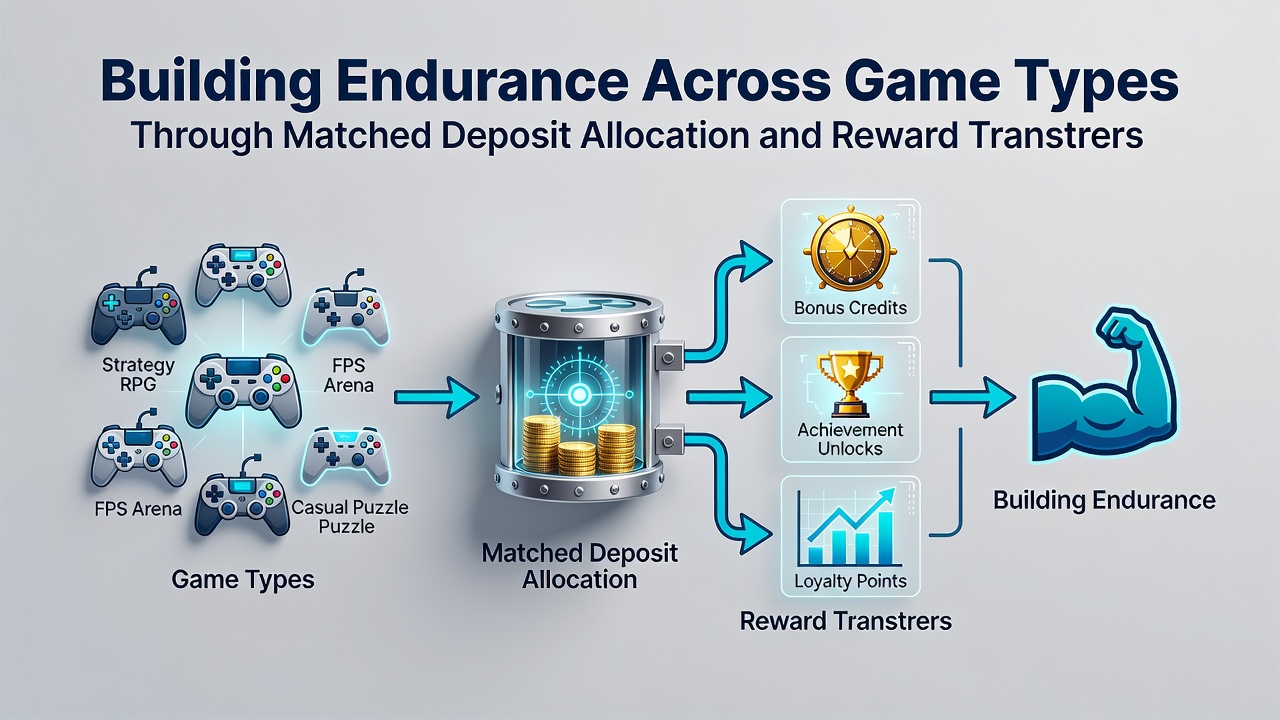
Matched deposit offers operate as structured incentives where operators add funds proportional to player deposits, creating extended bankrolls that support transitions between game categories such as slots, blackjack, roulette, and live dealer formats. Data from industry reports indicates these mechanisms allow participants to maintain session length when initial capital is divided across multiple titles rather than concentrated in one area. Observers note that reward transfers, which move bonus credits or winnings between game types under defined rules, further support continuity when wagering requirements span different volatility levels.
Mechanics of Matched Deposit Allocation
Operators typically structure matched deposits as percentage-based additions, often ranging from 50 to 200 percent on qualifying amounts, with the resulting funds subject to playthrough conditions that vary by jurisdiction and platform. Researchers have documented how dividing an allocated sum into portions assigned to high-frequency games like slots and lower-frequency ones like table variants creates staggered usage patterns that reduce rapid depletion. Figures reveal that players who segment their matched amounts across three or more categories sustain activity longer than those who commit everything to a single format, according to analyses from the American Gaming Association. This segmentation works because slot bonuses often carry higher contribution rates toward requirements while table games provide steadier but slower progress, allowing one to offset the other.
Transferring Rewards Between Formats
Reward transfers function through internal wallet systems that move eligible credits after certain conditions are met, such as partial completion of wagering on the originating game. Those who study player behavior report that successful transfers frequently occur when winnings from low-volatility slots feed into bankrolls for live dealer tables, where minimum bets demand steadier reserves. In August 2026, platform updates across several markets introduced automated transfer prompts that flag eligible balances and suggest compatible game types, reducing manual steps that previously interrupted flow. Evidence from European regulatory summaries shows these features correlate with longer average session durations when users apply them systematically rather than sporadically.
Practical Allocation Patterns Across Game Types
One documented approach involves placing 40 percent of a matched deposit into slots for rapid bonus accumulation, shifting 35 percent to blackjack for controlled progression, and reserving the remaining 25 percent for live roulette where table limits allow measured exposure. Studies from university-affiliated gambling research groups indicate this ratio supports endurance because slot play generates frequent small credits that can transfer without violating minimum thresholds on other titles. Another pattern observed in operator data assigns initial matched funds primarily to table games when live dealer bonuses contribute at full rate, then moves accumulated rewards into slots once a threshold is reached. These methods rely on clear tracking of contribution percentages listed in each platform's terms, which determine how much each bet advances overall requirements.
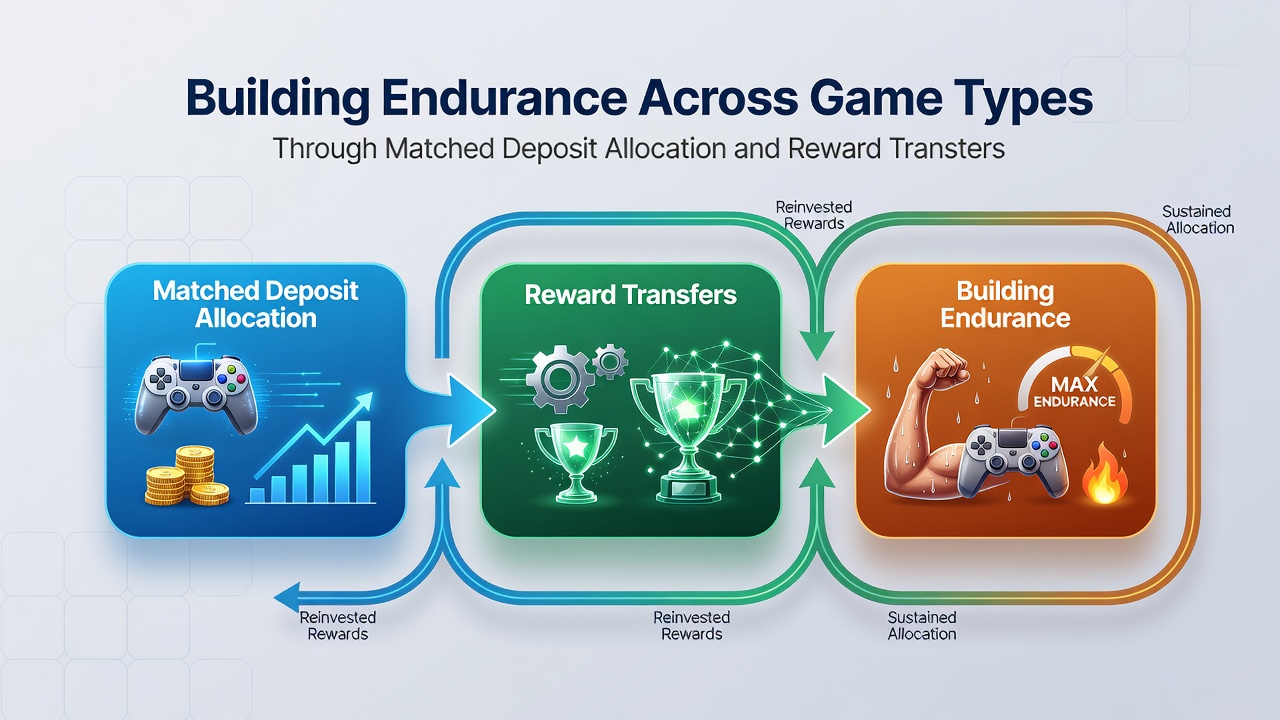
Platform interfaces in 2026 often display real-time eligibility for transfers, highlighting balances that can move without resetting progress. Data from the Australian Gambling Research Centre shows users who monitor these indicators complete requirements across multiple game types at higher rates than those who remain within one category. Transfers succeed most reliably when originating games meet partial wagering milestones first, preventing the loss of credits that occurs if requirements reset upon movement.
Regulatory Context and Platform Variations
Different licensing regions impose distinct rules on how matched deposits and transfers interact with game categories. The Belgian Gaming Commission documentation outlines limits on bonus conversion rates that affect how rewards move from automated games to skill-influenced ones, while Canadian provincial frameworks emphasize transparency in contribution percentages. Observers note that platforms operating under multiple licenses adjust their allocation tools to comply with the strictest applicable standards, resulting in consistent interfaces for users across borders. These variations mean endurance strategies must account for local wagering caps and eligible game lists rather than assuming uniform mechanics worldwide.
Conclusion
Matched deposit allocation combined with reward transfers provides structured pathways for extending play across slots, tables, and live dealer formats when participants divide funds according to contribution rates and transfer eligibility. Industry figures from multiple regions confirm that systematic division and movement of balances correlate with prolonged sessions, provided users track requirements listed by each operator. As platforms refine automated tools through 2026, the capacity for cross-game continuity continues to depend on adherence to published terms and accurate monitoring of eligible balances.