Coordinating Video Poker RNG Sequences With Progressive Loyalty Milestones Across Regulated Markets
Written by Nils Hartmann · Aug 25, 2026
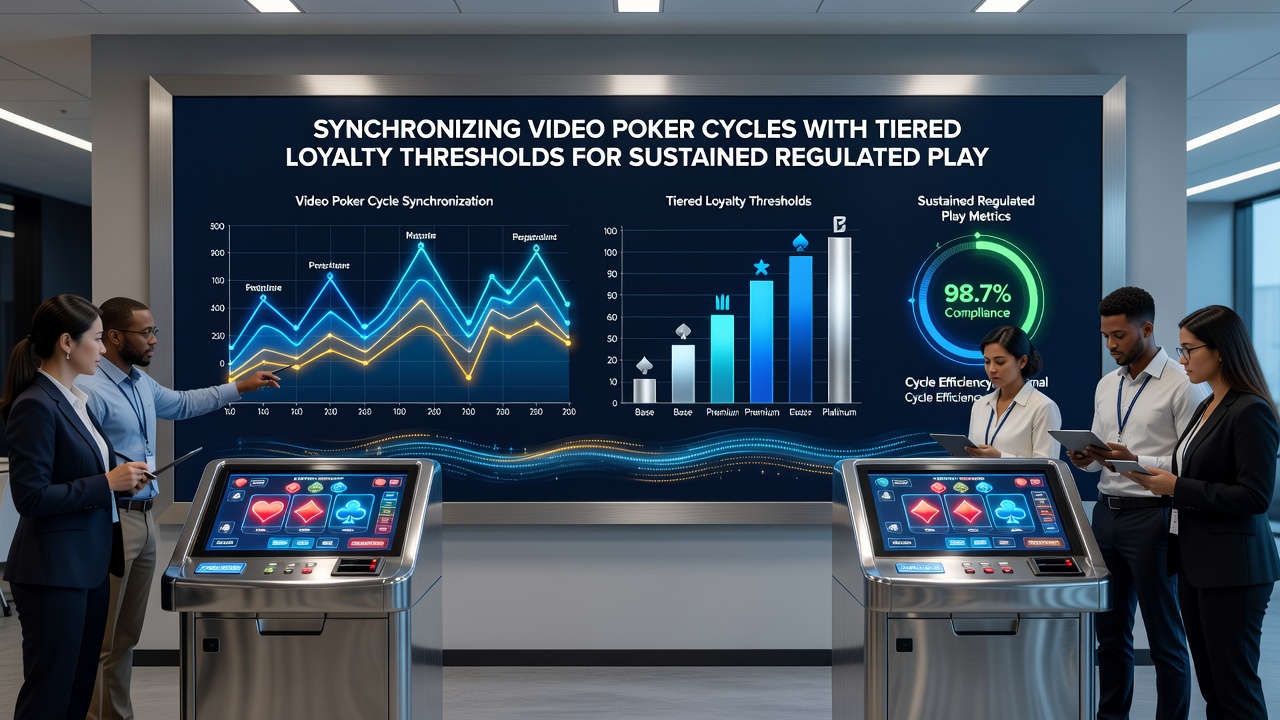
Coordinating Video Poker RNG Sequences With Progressive Loyalty Milestones Across Regulated Markets
Video poker machines operate through random number generators that cycle through millions of possible outcomes at high speed, and operators track these patterns to align with player activity in controlled environments where data from state regulators shows consistent machine performance metrics. Research from the University of Nevada Reno indicates that pay cycles in video poker typically reset after thousands of hands, creating intervals where certain winning combinations occur more frequently based on the algorithm design rather than any predictable sequence that players can manipulate.
Understanding Video Poker Cycle Mechanics
Each machine maintains an internal cycle length that spans from 1 million to over 4 billion combinations depending on the model and jurisdiction, and manufacturers program these systems to meet strict return-to-player percentages mandated by oversight bodies. Data compiled by the Nevada Gaming Control Board reveals that video poker variants like Jacks or Better and Deuces Wild follow fixed payout tables where the cycle influences short-term variance while long-term outcomes remain governed by the house edge calculations. Operators monitor these cycles through backend software that logs hand frequencies without altering the random distribution, allowing venues to schedule maintenance or promotions around known statistical peaks.
Players accumulate points during sessions that feed directly into loyalty platforms, and those platforms use tier thresholds to unlock benefits such as free play credits or reduced house edges on select machines. Industry reports from the American Gaming Association document how multi-tier structures often begin at entry levels requiring 500 points and escalate to elite tiers demanding 10,000 or more points within a calendar month, creating incentives for repeated visits that stay within legal play limits.
Linking Cycles to Tiered Rewards Structures
Casino systems integrate video poker cycle data with loyalty databases so that point awards accelerate during favorable segments of the machine's RNG pattern, and this integration supports sustained participation by offering tier upgrades at moments when play volume increases naturally. Figures from Canadian provincial gaming authorities show that loyalty programs tied to cycle monitoring have led to average session extensions of 15 to 25 percent in regulated facilities, because players receive notifications when they approach the next threshold without exceeding daily deposit or time limits enforced by law.
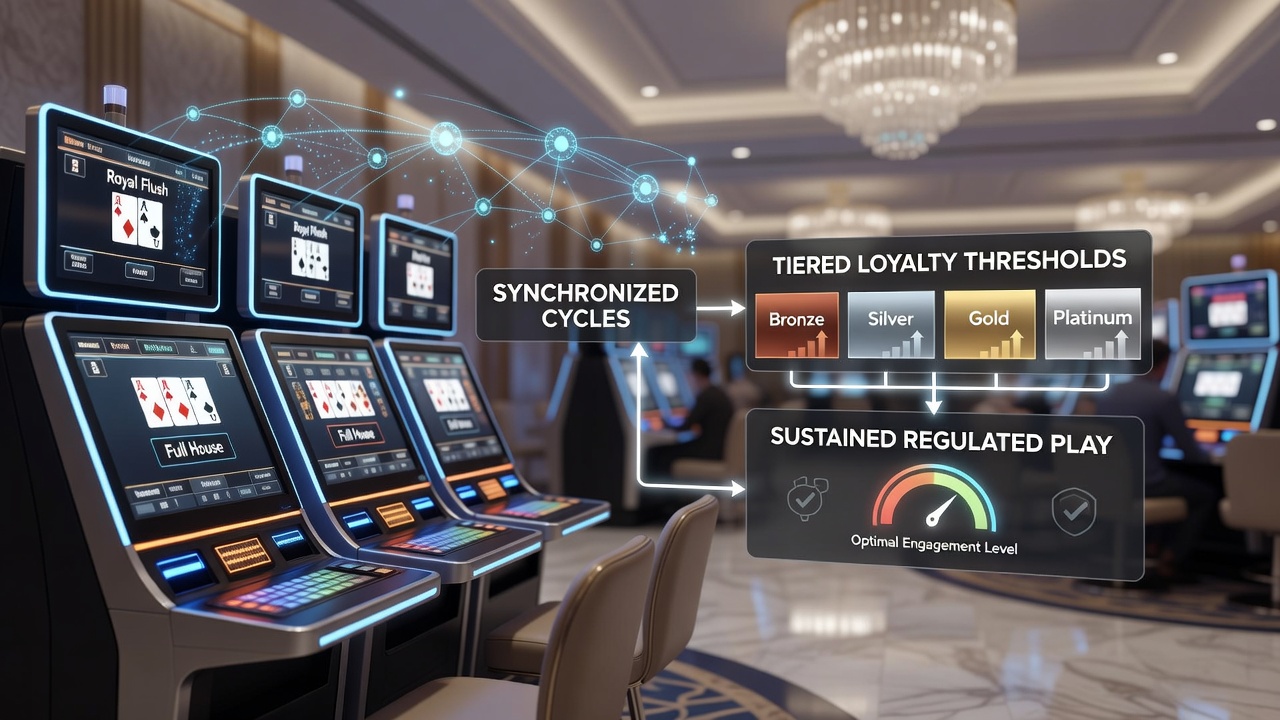
Thresholds function through point multipliers that activate at specific loyalty levels, and these multipliers apply to video poker bets during designated cycle windows identified by the operator's analytics team. Studies published in the Journal of Gambling Studies highlight cases where tiered structures in Australian venues synchronized rewards with machine data to maintain compliance with harm minimization rules, resulting in documented increases in player retention rates tracked over six-month periods. The approach relies on transparent reporting to regulators rather than any alteration of game outcomes, ensuring that every hand remains independent and auditable.
Regulatory Updates Effective August 2026
Beginning in August 2026, several North American jurisdictions introduced updated reporting requirements for loyalty program algorithms that connect machine cycles to tier progression, and these rules mandate quarterly disclosures of how point systems interact with RNG data to prevent any perception of targeted inducement. Compliance documentation from the New Jersey Division of Gaming Enforcement outlines that operators must now submit cycle synchronization logs alongside player activity reports, which allows oversight teams to verify that rewards distribution aligns with advertised return percentages across all tiers.
Venues respond by adjusting notification timing so that loyalty alerts coincide with natural cycle lulls rather than peaks, and this practice keeps play sessions within the boundaries set by responsible gaming protocols. Evidence gathered by the Malta Gaming Authority in similar European frameworks demonstrates that such alignments reduce the incidence of extended play beyond self-imposed limits while still supporting the economic model of regulated sites.
Implementation Across Different Jurisdictions
Regulated markets in the United States and Canada employ centralized databases that link individual player cards to both machine cycles and loyalty tiers, whereas European systems often require third-party audits of the synchronization software before deployment. Reports from the Australian Institute of Family Studies note that these cross-referenced systems have contributed to measurable declines in problem gambling indicators when thresholds include mandatory cooling-off periods tied to cycle completion data. The technology uses secure APIs to pull real-time RNG status without exposing proprietary algorithms, and operators train staff to explain tier benefits in plain language during onboarding sessions.
Conclusion
Coordinating video poker cycles with tiered loyalty structures represents a technical integration of RNG mechanics and rewards databases that regulated operators maintain under strict reporting standards. Data from multiple oversight bodies confirms that these alignments occur within transparent frameworks designed to uphold game integrity and player protection rules across jurisdictions. Continued refinement of synchronization methods supports ongoing compliance while delivering structured benefits to participants who meet established thresholds through standard play activity.