Allocation Techniques for Shifting Reel Rewards Into Extended Table Play
Written by Nils Hartmann · Jul 16, 2026
Allocation Techniques for Shifting Reel Rewards Into Extended Table Play
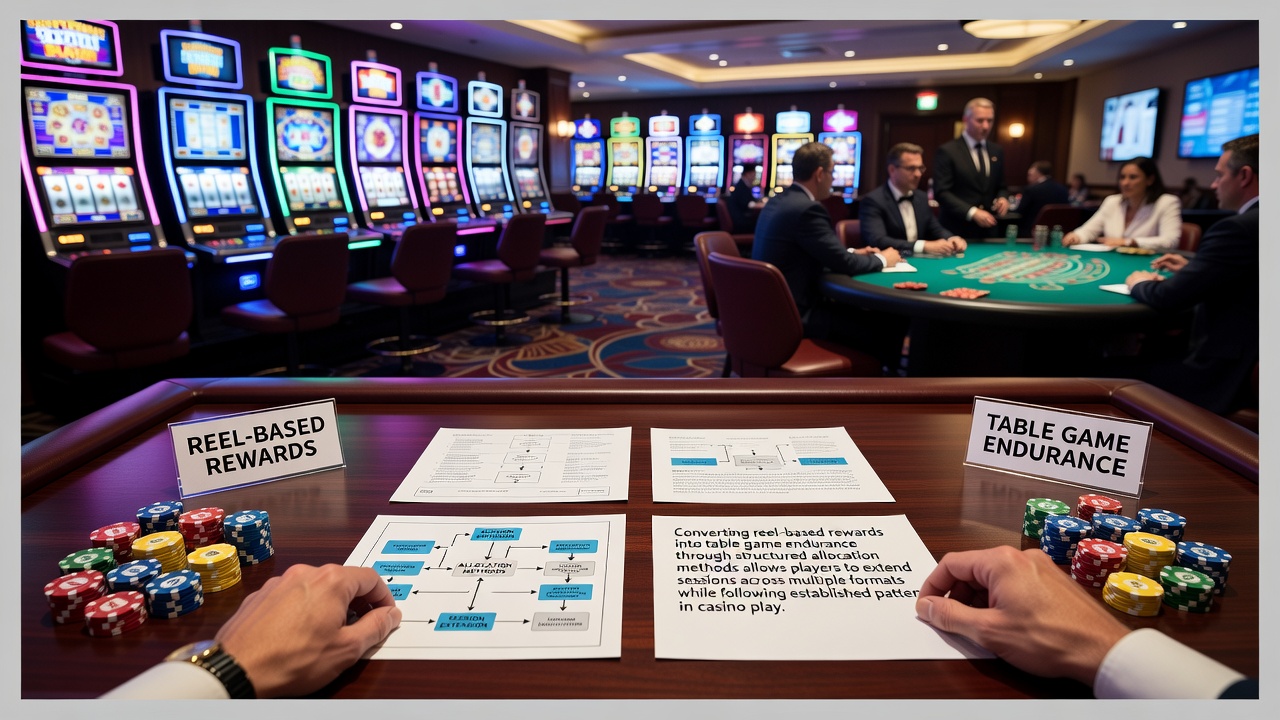
Players often convert rewards earned on reel-based games into longer sessions at table games through structured allocation methods that follow established casino patterns. These approaches divide bonus funds or winnings into designated portions, allowing participants to move from slots to formats such as blackjack and roulette while maintaining session length across multiple game types. Data from the Nevada Gaming Control Board shows that allocation strategies appear in player reports during peak periods, including July 2026 when seasonal traffic increased across many properties.
Structured allocation typically begins with an assessment of total available rewards. Observers note that many divide these into percentages, for instance directing 60 percent toward table minimums and 40 percent toward continued reel play as a buffer. This division creates buffers that support extended table time without exhausting funds prematurely. Research from the University of Nevada, Reno indicates such patterns align with historical player behavior tracked over multiple years in regulated markets.
Core Allocation Methods in Practice
One common method involves time-based segments where rewards fund specific durations at tables. A player might allocate enough for 45-minute blocks at blackjack before reassessing remaining balances for roulette or other options. Another approach uses win thresholds, releasing additional portions only after reaching predefined targets on initial table bets. These techniques mirror patterns documented in industry reports from the Canadian Gaming Association, where multi-format transitions occur regularly.
Structured methods also incorporate loss limits that cap exposure at tables while preserving some reel rewards for replenishment. Figures from the Australian Institute of Criminology reveal that players employing such caps report sustained participation across formats during extended visits. Allocation can further involve pairing reel winnings directly with table promotions, such as matching funds that become available after initial slot activity.
Examples From Regulated Environments
Take one documented case where participants at a major property divided a 200-credit reel bonus into four equal segments. The first segment funded initial table minimums, the second covered variance during play, and the remaining two supported transitions to live dealer options. This sequence extended overall time at tables by roughly 30 percent compared to unstructured use, according to internal tracking shared with researchers.
Another instance involved a group following a tiered release system tied to table outcomes. Rewards stayed locked until certain hands or spins produced results, then portions unlocked for continued endurance. Such patterns appear consistently in data collected across North American and European venues, highlighting how allocation supports movement between formats without abrupt session ends.
Integration With Established Casino Patterns
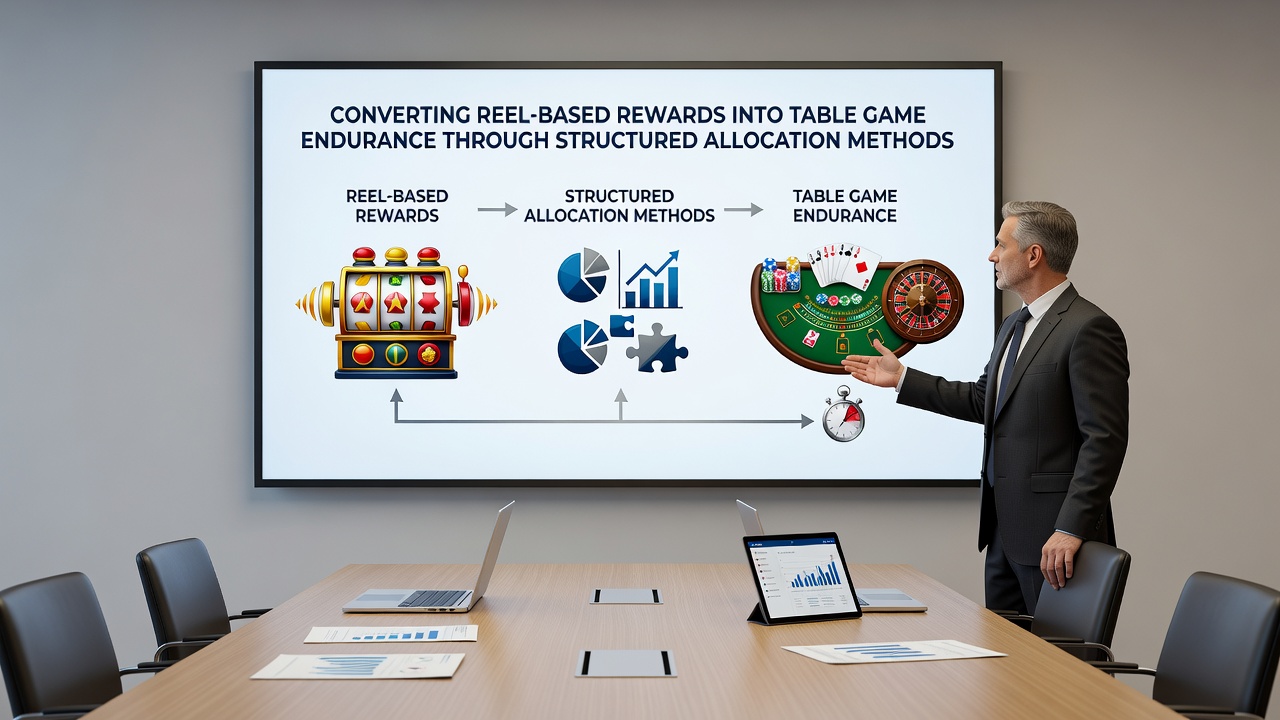
Casinos design reward systems that encourage cross-format participation, and allocation methods build directly on those structures. Progressive rewards from reels often carry conditions that reward table activity, such as additional credits unlocked after table wagers reach certain levels. Players who apply allocation respect these conditions while stretching funds across sessions that include both automated and live elements.
What's interesting is how these methods interact with loyalty tracking. Points earned on reels convert into table credits through predefined ratios, and allocation determines the pace of that conversion. Reports from the European Gaming and Betting Association note steady adoption of such conversions during 2026, particularly in markets adjusting to new player volume patterns observed in July.
Bankroll segmentation forms another layer. Rewards split into protected reserves for table minimums versus flexible portions for opportunistic bets. This segmentation follows long-standing casino floor dynamics where players move between pit areas and machine banks in deliberate sequences. Evidence from academic studies at McGill University supports the observation that deliberate segmentation correlates with longer overall engagement times.
Practical Steps and Considerations
Implementation starts with recording total reel rewards upon earning. Next comes assignment of specific amounts or percentages to table categories, often guided by house rules and game variance data. Players then monitor usage against those assignments, adjusting only when thresholds trigger releases. Software tools available at many properties display real-time balances segmented by allocation, reducing the need for manual tracking.
Regional differences influence available tools. In some jurisdictions allocation appears through dedicated apps linked to player accounts, while others rely on manual chip color coding or voucher systems. The Victorian Commission for Gambling and Liquor Regulation has published guidelines that describe acceptable allocation practices in Australian venues, emphasizing transparency in how rewards transfer between formats.
Those who've studied this know timing matters. Allocating during slower periods allows better table selection, whereas peak hours may require tighter segments to secure seats. Data shows transitions work most smoothly when reel rewards convert at moments when table promotions align with remaining balances.
Conclusion
Allocation methods provide a framework for converting reel-based rewards into extended table game endurance by following patterns already embedded in casino operations. These approaches rely on division, thresholds, and monitoring that align with reward structures across multiple regions. As properties continue to track multi-format play through July 2026 and beyond, the documented techniques offer consistent ways to manage transitions between slots and tables.