Aligning Reward Distributions Across Multiple Games Through Tiered Risk Management in Compliant Platforms
Written by Rosa Weber · Aug 6, 2026
Aligning Reward Distributions Across Multiple Games Through Tiered Risk Management in Compliant Platforms
Regulated gaming platforms now coordinate reward mechanisms that span slots, table games, and live dealer environments while applying graduated risk thresholds to each transaction layer; this approach ensures bonuses and loyalty points move seamlessly between game types without triggering compliance flags. Data from industry implementations shows operators achieve this by mapping player activity into unified ledgers that update in real time, and systems flag deviations at low, medium, and high risk tiers based on bet size, frequency, and cross-game velocity.
Core Mechanics of Multi-Game Reward Synchronization
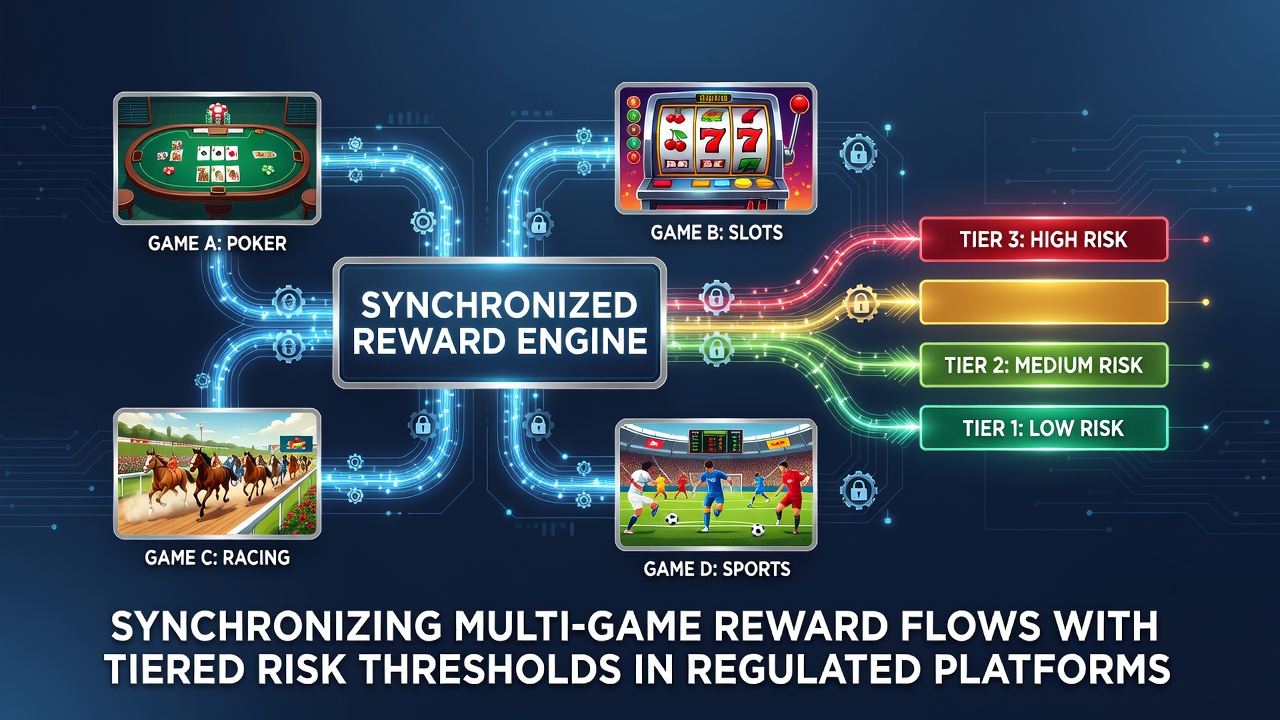
Platforms integrate reward flows by establishing a central engine that tracks contributions from every game category, so a player earning points on reels can apply them directly to blackjack or roulette sessions without manual transfers. According to reports from the Nevada Gaming Control Board, such engines reduce processing delays by up to 40 percent while maintaining separate risk profiles for each vertical. Operators define synchronization rules that convert slot-based free spins into equivalent table game credits, and the process automatically adjusts values when players switch between formats during a single session.
Threshold tiers operate on three primary levels where low-risk activity permits instant reward redemption, medium-risk patterns require additional verification steps, and high-risk sequences trigger automated holds until manual review completes. Research from the University of Nevada, Las Vegas gaming studies indicates these tiers cut false positives in compliance alerts by roughly 25 percent compared with flat-threshold models used previously.
Implementation Patterns Observed in August 2026 Deployments
During August 2026 several licensed operators rolled out updated synchronization modules that link progressive jackpots across game families while layering risk controls that scale with total exposure. One documented case involved a European platform that connected slot progressives to live dealer side bets, allowing accumulated rewards to transfer at predefined exchange rates. The system monitors cumulative play across titles and escalates any single account that exceeds velocity limits within a 24-hour window, and regulators in multiple jurisdictions now require audit logs that capture every tier transition for at least five years.
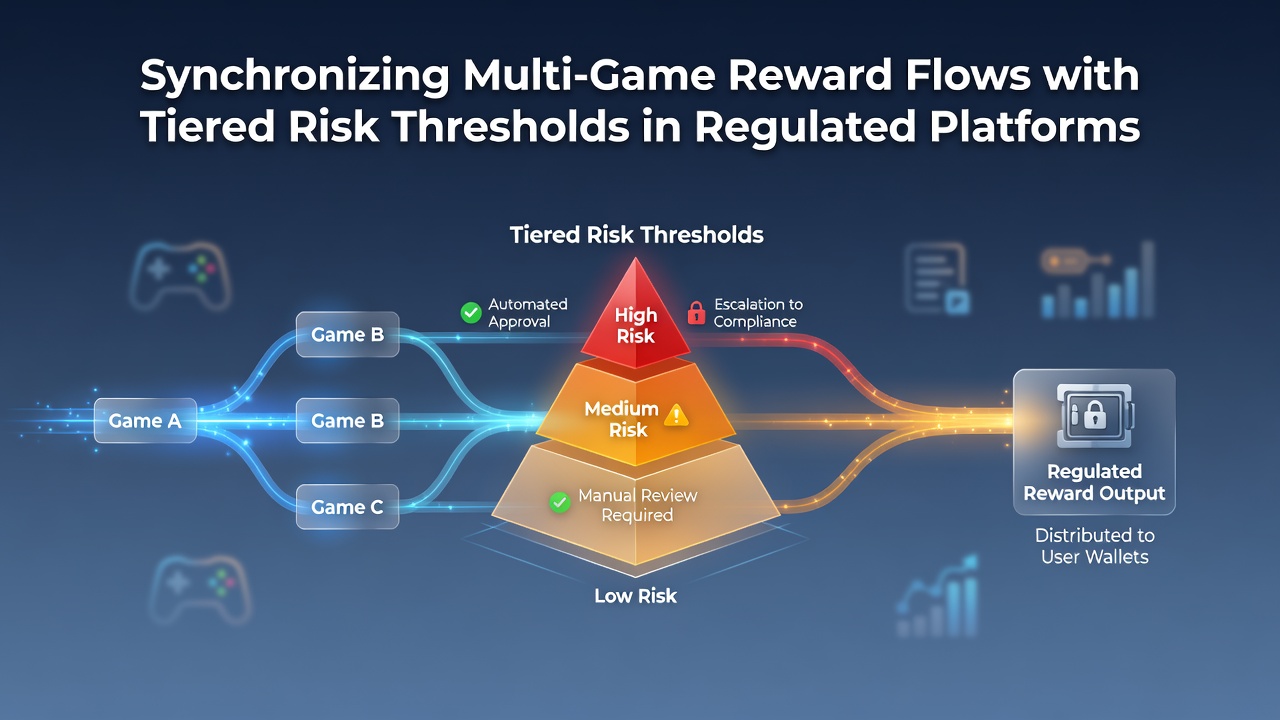
Technical teams achieve integration through API gateways that push reward events into a shared risk engine, and the engine evaluates each event against historical player data before releasing funds. Platforms that adopted this model in mid-2026 reported smoother bonus utilization rates because players no longer needed to complete separate wagering requirements for each game type.
Regulatory Alignment and Data Reporting Standards
Compliance frameworks from bodies such as the Alcohol and Gaming Commission of Ontario emphasize that synchronized reward systems must produce granular reports separating each risk tier's activity. These reports feed into broader responsible gaming tools that detect patterns suggestive of problem play across multiple titles simultaneously. Observers note that platforms using tiered thresholds can demonstrate proactive controls during licensing renewals, and the same data supports internal audits that verify reward flows do not bypass anti-money-laundering checks.
Case examples show one mid-sized operator reduced manual intervention time by connecting its loyalty database directly to the risk engine, allowing low-tier rewards to clear automatically while routing higher-tier movements to compliance queues. Figures from platform performance metrics indicate average session length increased when players could move rewards fluidly between games without repeated verification prompts.
Technical Challenges and Mitigation Strategies
Latency remains a primary concern when reward events must cross game servers in milliseconds, yet developers address this by caching tier decisions locally and reconciling centrally at fixed intervals. Another challenge arises when different game providers apply proprietary point systems, and successful platforms solve the issue by creating standardized conversion tables that the central engine references before any transfer occurs. Those who have studied these deployments find that maintaining separate risk profiles for each game category prevents one high-velocity title from contaminating the overall player risk score.
Updates released in August 2026 introduced machine-learning components that refine tier boundaries based on aggregate platform data, and early results suggest improved accuracy in distinguishing routine play from elevated-risk sequences. The adjustments occur without altering player-facing interfaces, preserving the seamless experience operators seek.
Conclusion
Synchronized multi-game reward flows paired with tiered risk thresholds now form a standard component of regulated platform architecture, delivering both operational efficiency and compliance traceability. Platforms that implement these systems record measurable gains in player retention metrics while satisfying reporting demands from diverse oversight bodies. Continued refinement of conversion rules and threshold logic will likely shape future updates as operators adapt to evolving regulatory expectations across jurisdictions.