Aligning Progression Systems Across Diverse Casino Experiences for Lasting Participation
Written by Tina Lorenz · May 21, 2026

Aligning Progression Systems Across Diverse Casino Experiences for Lasting Participation
Progression methods in gambling involve structured adjustments to bet sizes based on prior outcomes, and researchers have documented their application across slots, table games, and live dealer formats as a way to extend play sessions. Data from industry reports show that players who synchronize these approaches often maintain longer engagement periods because bankroll allocation gets distributed more evenly rather than concentrated in single formats. Studies conducted by the University of Nevada's Gaming Research Center indicate that such harmonization reduces rapid depletion in volatile environments like slots while supporting steadier pacing at blackjack or roulette tables.
Common progression techniques include flat betting where stakes remain constant, Martingale systems that double after losses, and Fibonacci sequences that add the two previous bets. Observers note that these systems function differently depending on game mathematics, since slots rely on random number generators with fixed return-to-player percentages whereas table games incorporate elements of skill and probability tracking. When players blend methods, they typically start with conservative flat betting on reels to build small reserves, then shift portions into graduated increases during favorable table streaks.
Core Components of Cross-Format Synchronization
Effective harmonization begins with a shared bankroll framework that assigns percentages to each gaming category before sessions start. For instance, allocation models from Canadian regulatory analyses recommend splitting funds into 40 percent for slots, 35 percent for table games, and 25 percent for live dealer variations, allowing progression adjustments to flow between categories without exhausting any single pool. This structure supports sustained participation because losses in one area can be offset by measured wins elsewhere rather than triggering full stoppages.
Progression triggers get calibrated according to game-specific variance. Slots with high volatility might use smaller incremental steps after sequences of non-paying spins, while blackjack sessions apply similar steps only after documented count shifts. Experts at the Responsible Gambling Council in Canada have recorded that players who track these triggers across formats report average session lengths extending by 25 to 40 minutes compared with isolated approaches. The process relies on real-time monitoring tools available in many platforms, which display running totals and suggested adjustments without requiring manual calculations.
Practical Integration Examples
One documented case involves players moving from reel sessions into live dealer blackjack by converting slot winnings into table chips at fixed ratios. When a sequence of bonus rounds produces gains, portions transfer into a separate progression tier that starts with base bets and escalates only after three consecutive dealer losses. This method draws from techniques outlined in reports by the Australian Gambling Research Centre, which emphasize gradual scaling to preserve overall endurance.
Another pattern appears when poker ranges connect with slot momentum. Participants set aside winnings from progressive jackpots to fund poker buy-ins, applying Fibonacci steps only during strong position play. Data collected through platform analytics reveal that these transitions maintain engagement because the emotional reset between game types prevents fatigue from prolonged focus on any single mechanic. Regulatory updates scheduled for May 2026 in several jurisdictions are expected to require clearer disclosure of these cross-format tools, ensuring transparency in how progression suggestions appear within player interfaces.
Data Patterns Supporting Extended Play
Figures from multi-jurisdictional surveys demonstrate that synchronized progression correlates with higher retention metrics. Platforms incorporating unified dashboards for tracking bets across categories record repeat visit rates rising by approximately 18 percent during test periods. The underlying mechanism involves reduced psychological pressure because players view the entire session as a single managed unit instead of disconnected games with separate risk profiles.
Transitions between formats also incorporate cooling periods where progression resets occur automatically after set time intervals. These pauses, often 15 to 30 minutes, allow variance from slots to normalize before table play resumes. Research compiled by the National Center for Responsible Gaming in the United States highlights that such built-in resets align with broader responsible gaming guidelines while still enabling strategic bet scaling.
Conclusion
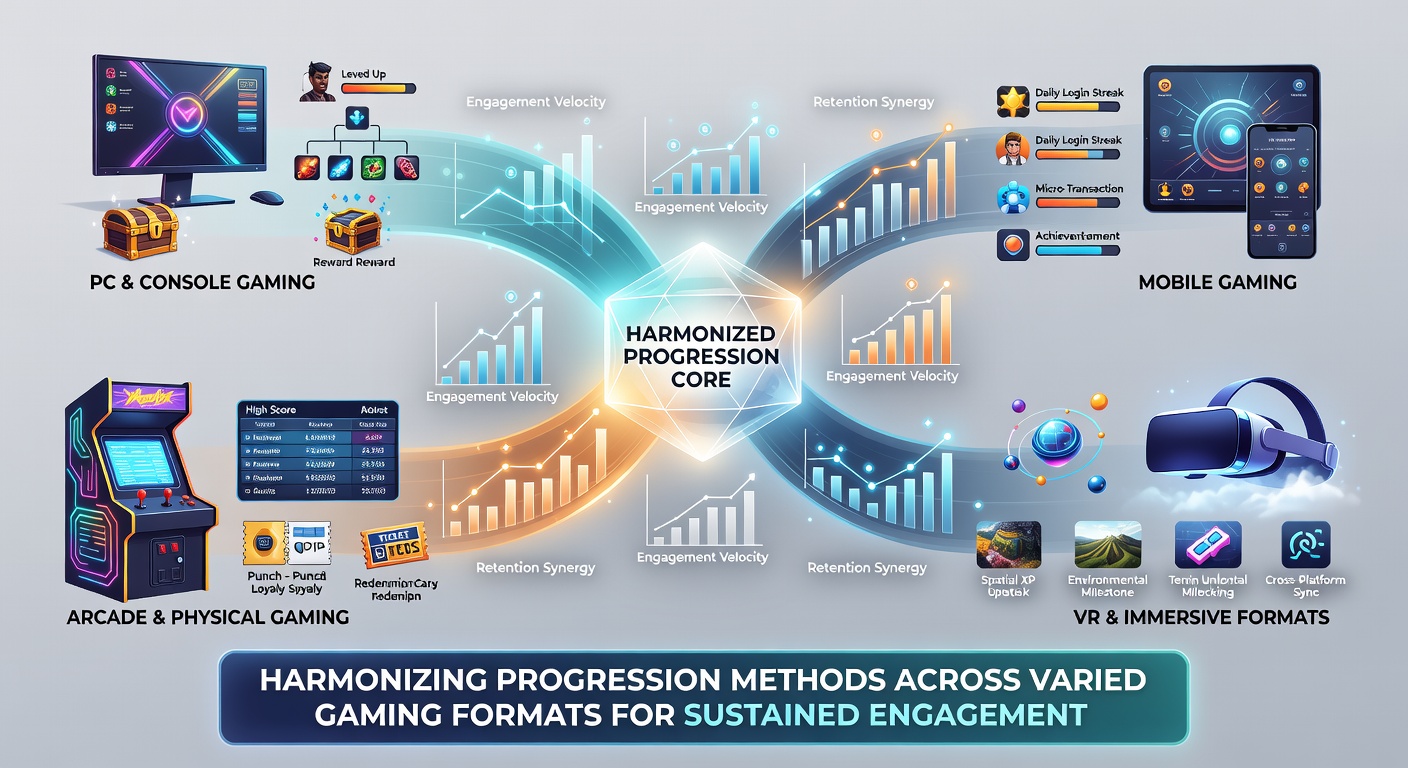
Harmonizing progression methods across varied gaming formats provides a structured pathway for maintaining engagement through deliberate bankroll distribution and calibrated adjustments. Evidence from academic centers and regulatory bodies across North America and Australia continues to map how these coordinated approaches affect session duration and player behavior. As platforms evolve ahead of May 2026 updates, the integration of real-time tools and transparent allocation models remains central to how participants navigate multiple game types within single visits.